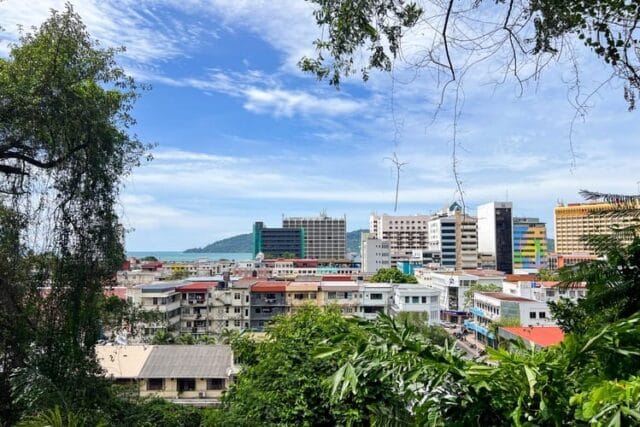
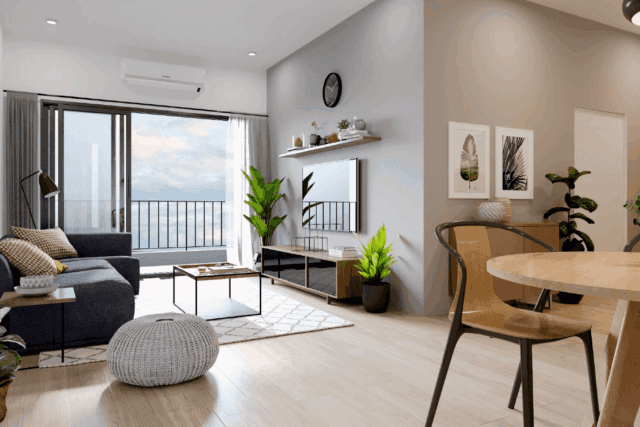
Connect Your Sabah MM2H Plan With the Right Property
A long-term residence plan involves two separate decisions. The first is whether the applicant qualifies for an appropriate Malaysia My Second Home programme. The second is whether a particular property is legally eligible, financially practical, and comfortable enough for years of use.
Those decisions should be coordinated, but they should not be treated as the same process. An MM2H approval does not make every Sabah property available to a foreign purchaser. Likewise, buying a condominium in Kota Kinabalu does not automatically provide immigration status or long-term residence rights.
Begin with the Sabah MM2H property guide. It explains the programme tiers, fixed-deposit commitments, property requirements, residence conditions, fees, holding periods, and questions applicants should confirm before committing money.
Understand the Difference Between Sabah MM2H and Federal MM2H
Applicants may encounter information about both the federal Malaysia My Second Home programme and Sabah’s state programme. Similar names and tier labels can make the programmes appear interchangeable, but their administration, financial conditions, property rules, residence expectations, and application procedures may differ.
The official Malaysia My Second Home portal provides information about the federal programme. People planning to live mainly in Sabah should also review the current Sabah programme and confirm which route matches their intended residence pattern.
The Malaysian Immigration Department MM2H information covers immigration procedures connected with the national programme, including pass endorsements, renewals, dependant matters, and other administrative steps.
Do not combine requirements from different programmes into one homemade checklist. Obtain a dated requirements sheet from the appropriate authority or a currently licensed programme company before transferring funds, opening a fixed deposit, or paying an application fee.
Choose the Programme Route Before Choosing a Property
A property search is more productive after the applicant understands the likely programme category, financial commitment, required property type, purchase timing, and residence conditions. Otherwise, buyers may spend weeks comparing homes that do not fit the programme they later select.
The property budget should be kept separate from the fixed deposit and application budget. Buyers must also allow for legal charges, programme-company fees, government charges, medical examinations, insurance, translations, document certification, international transfers, stamp duty, state approval, furnishing, and other purchase costs.
Applicants should be cautious about paying a non-refundable booking fee before their programme route and property eligibility have been checked. A development may be promoted as suitable for MM2H buyers, but that description should be supported by current programme information, title details, foreign-purchase eligibility, and written legal advice.
Understand Foreign Buyer Property Rules in Sabah
MM2H participants remain subject to the property laws and approval requirements that apply to foreign buyers in Sabah. The advertised price is only one part of the eligibility question. The title category, tenure, land use, restrictions in interest, property classification, buyer structure, and state consent requirements may also matter.
Read the current guide to foreign buyer property rules in Sabah before reducing the search to specific buildings or projects. Buyers should also have a qualified Sabah lawyer examine the title and transaction documents.
The foreign buyer eligible properties in Sabah page provides a practical starting point for finding selected listings that may suit international purchasers. The label is a search tool rather than final legal confirmation.
Programme eligibility and property eligibility must both be satisfied. A home that meets a programme value threshold may still have a title or ownership condition that prevents the proposed purchase.
Compare Kota Kinabalu Condominiums for Long-Term Living
Condominiums are often considered by MM2H applicants because they may offer controlled access, security, lifts, managed common areas, shared facilities, and less exterior maintenance. These features can be helpful for seasonal residents, frequent travellers, retirees, and owners who may leave the property vacant for several weeks at a time.
Convenience depends on the building. Buyers should examine maintenance charges, sinking-fund contributions, management records, lift reliability, security procedures, parking, visitor access, water pressure, building insurance, short-stay rules, and the condition of common areas.
The Kota Kinabalu condo buyer checklist explains the questions that should be asked before making an offer. A glossy lobby can create a fine first impression, but functioning lifts and sensible management tend to age better.
Consider how the unit will work during ordinary days rather than during a brief viewing. Check kitchen storage, laundry space, ventilation, afternoon sun, noise, mobile reception, internet options, parking access, and the distance between the unit and the lift.
Compare the Best Kota Kinabalu Areas for Your Lifestyle
The right location depends on what the resident wants to do each week. A buyer who values restaurants, shopping, and waterfront access may prefer a more central address. Someone who wants additional space, quieter surroundings, or easier travel to Penampang may favour an established suburban area.
The guide to the best areas to live in Kota Kinabalu compares city-centre, established residential, suburban, and coastal locations. Condo buyers can also review the best areas to buy a condo in Kota Kinabalu.
Visit shortlisted locations during the day, evening, weekend, and peak traffic. Test the journey to hospitals, supermarkets, the airport, restaurants, recreation, and any family or community connections. A property that looks close on a map can feel much farther away after several busy intersections.
The official Sabah Tourism Board Kota Kinabalu guide provides background on the city, surrounding attractions, transportation, and local activities. It can help prospective residents understand what is available beyond the property itself.
Consider Healthcare and Everyday Access
Healthcare access may be a major factor for retirees, older applicants, families, and anyone managing an ongoing medical condition. Compare travel time to hospitals, specialist clinics, pharmacies, laboratories, dentists, and emergency services before selecting an area.
Proximity is only part of the question. Buyers may also want to check the services offered, appointment procedures, language support, insurance arrangements, and whether a preferred doctor or specialist practises at a particular hospital.
The Malaysia Healthcare hospital finder allows users to research participating hospitals and medical providers, including facilities serving Kota Kinabalu.
Other everyday needs should receive similar attention. Check supermarkets, banking, exercise facilities, places of worship, pet services, restaurants, parcel delivery, building accessibility, and transportation options. The best long-term home is usually the one that makes routine life easier.
Compare New Developments and Completed Properties
Some MM2H applicants prefer new developments because they offer newer building systems, current layouts, developer incentives, and a wider selection of units. Others prefer completed properties that can be inspected, occupied, furnished, and evaluated within their existing surroundings.
An unfinished development requires the buyer to assess plans, specifications, expected completion, developer performance, payment timing, future supply, and the possibility that the finished building may differ from the impression created by marketing material.
A completed subsale unit allows the buyer to inspect the actual view, traffic, parking, common areas, management condition, nearby construction, and building occupancy. Renovation, ageing systems, or older facilities may add to the cost.
The guide comparing new launch and subsale property in Kota Kinabalu explains the main trade-offs. Buyers can also browse current Kota Kinabalu property developments.
Calculate the Full Cost of an MM2H Property
The programme property threshold should not be mistaken for the complete cost of ownership. A qualifying property may also involve a deposit, legal work, stamp duty, state approval, valuation, financing, insurance, maintenance deposits, utility setup, furnishings, repairs, and international banking charges.
Ongoing expenses may include condominium maintenance, sinking-fund contributions, assessment, quit rent, insurance, repairs, property management, internet, utilities, and periods when the owner is outside Malaysia.
The guide to the cost of buying property in Kota Kinabalu provides a broader budgeting checklist. Keep a contingency fund rather than planning to the last available ringgit.
Exchange rates deserve attention where programme deposits, overseas income, pensions, savings, or property funds are held in another currency. A change in the ringgit exchange rate can affect the cost of the initial purchase and the resident’s later monthly budget.
Think About Long-Term Ownership and Future Changes
An MM2H property may need to serve the owner for many years. Buyers should think beyond immediate needs and consider ageing, mobility, family visits, dependant changes, maintenance, travel patterns, and the possibility that the property may eventually be rented, replaced, or sold.
Lift access, step-free entry, bathroom layout, nearby healthcare, parking convenience, and manageable floor area may become more important over time. A large home can feel appealing initially but may require more cleaning, maintenance, security, and expense than a well-planned condominium.
Resale demand should also be considered. Even a property purchased primarily for personal use remains a substantial financial asset. Location, building management, title, layout, parking, condition, competing supply, and realistic pricing can affect future saleability.
Any programme holding period or replacement condition should be reviewed before purchase. A buyer should not assume that a property can be sold, exchanged, or refinanced at any time without affecting programme compliance.
Create a Practical MM2H Property Shortlist
Start with the programme route, total financial commitment, property requirement, expected application timing, and intended residence pattern. Then define the property budget, preferred areas, minimum space, parking needs, healthcare access, building facilities, and maintenance tolerance.
Compare every shortlisted property using the same criteria. Record the asking price, title, property type, floor area, layout, condition, parking, maintenance charges, sinking fund, access, nearby services, management, expected work, and likely long-term suitability.
Use the Kota Kinabalu property search to compare available homes, condominiums, developments, and other listings. A focused shortlist of three to five suitable properties is usually more useful than collecting dozens of links that no one remembers opening.
Coordinate the Immigration and Property Sides
MM2H applicants may need support from several parties. A licensed programme company handles the relevant application process. Immigration authorities deal with residence passes. A Sabah lawyer reviews the property title and transaction. Banks handle fixed deposits, transfers, and financing. A property agent helps identify and compare suitable listings.
Each party has a different role. Property guidance should not be treated as immigration or legal advice, and programme assistance should not replace independent examination of the property documents.
Programme terms, property thresholds, fees, pass conditions, foreign ownership rules, banking arrangements, and application procedures can change. Confirm current requirements in writing before transferring funds, placing a fixed deposit, signing a property agreement, or relying on a particular property for programme compliance.
For help comparing Kota Kinabalu locations, condominiums, completed homes, or new developments that may fit a wider Sabah relocation plan, contact Faye Robert Property.