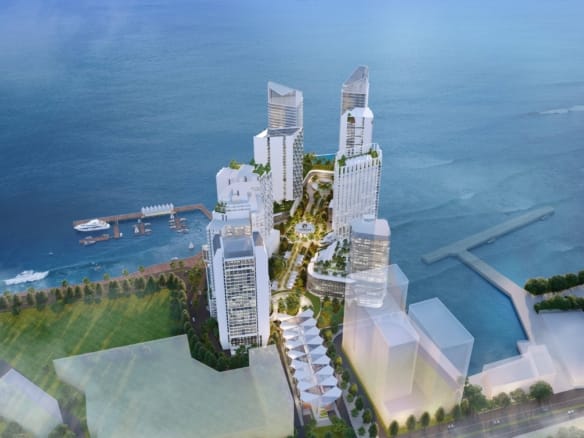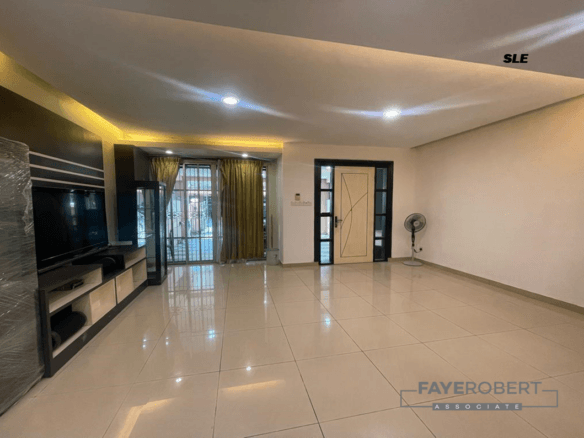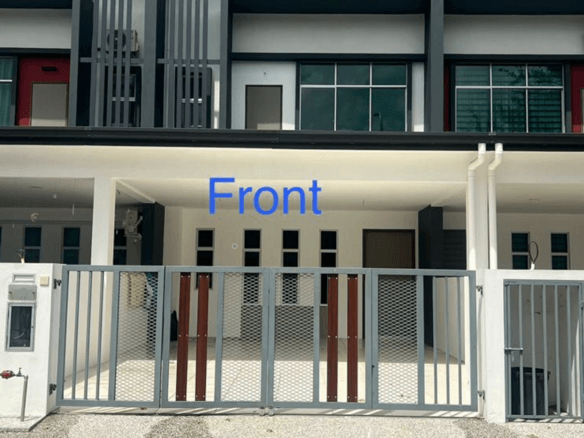

Foreign nationals can purchase certain property in Sabah, but eligibility depends on more than the advertised price. The property category, title, land use, buyer structure, minimum value, and approval requirements must all be checked before a booking fee is paid.
The foreign buyer property rules in Sabah differ from the rules applied in Kuala Lumpur, Selangor, Penang, Johor, and other parts of Malaysia. Sabah controls its own land matters and applies state-specific acquisition guidelines. A property that is open to foreign ownership elsewhere in Malaysia may not qualify for foreign ownership in Sabah.
This guide explains the foreign buyer property rules in Sabah for 2026, with particular attention to condominiums and other high-rise properties in Kota Kinabalu. It also covers the main price thresholds, title issues, transaction steps, stamp duty, Sabah-MM2H requirements, and the checks that should be completed before a buyer commits to a purchase.
Can Foreigners Buy Property in Sabah?
Yes. Foreigners can acquire specified types of property in Sabah, provided the buyer and property meet the applicable state requirements.
The answer must be determined for each transaction. A foreign buyer should confirm:
- the buyer’s legal status and proposed ownership structure;
- the property’s legal category and approved use;
- the title type and any restrictions in interest;
- the applicable minimum purchase price;
- whether the property is completed or under construction;
- whether state, developer, bank, or other consent is required; and
- whether the transaction can be registered in the proposed buyer’s name.
The foreign buyer property rules in Sabah, therefore, require a property-specific review. An asking price above a published threshold does not, by itself, make a property eligible for foreign ownership.
Who Is Treated as a Foreign Interest in Sabah?
Sabah’s 2022 foreign property acquisition guideline uses the broader term “foreign interest.” It includes more than an individual who holds a foreign passport.
A foreign interest may include:
- an individual who is not a Malaysian citizen;
- a Malaysian permanent resident;
- a foreign company or foreign institution; and
- a Malaysian company or institution in which foreign individuals, permanent residents, foreign companies, or foreign institutions hold more than 50% of the voting rights.
This definition matters because the foreign buyer property rules in Sabah may affect individuals, permanent residents, corporate buyers, and locally incorporated companies with majority foreign control.
Buyer structure should be settled before a property is reserved. Purchasing as an individual is not necessarily treated in the same way as purchasing through a company. Permanent resident status can also affect tax treatment, even where the state acquisition guideline still treats the buyer as a foreign interest.
Foreign Buyer Property Rules in Sabah: Minimum Price Thresholds
The foreign buyer property rules in Sabah focus on three price levels: RM600,000, RM1 million, and a limited RM500,000 exception. Each applies in a different context.
| Minimum value | Main application | Important qualification |
| RM600,000 per unit | High-rise housing, apartments, condominiums, and high-rise commercial suites in mixed developments | Applies to qualifying completed or under-construction units under the 2022 guideline; the state may review the threshold |
| RM1 million | Several other land and property categories, including residential land or dwellings and residential property units | The correct category, title, use, and conditions must still be confirmed |
| RM500,000 | One qualifying residential or residential-office unit for specified special buyer categories | This classification is a narrow exception and should not be assumed to apply to an ordinary foreign purchaser. |
RM600,000 for Qualifying High-Rise Property
Under the foreign buyer property rules in Sabah, the 2022 guideline permits foreign interests to acquire qualifying high-rise housing, apartments, condominiums, and high-rise commercial suites in mixed developments valued at RM600,000 or more per unit. The provision covers completed units and units still under construction.
This threshold is a major reason many overseas purchasers begin their Kota Kinabalu search with condominiums and high-rise apartments. These properties may fit the published category more clearly than landed homes or residential land.
The RM600,000 threshold is not a blanket rule for all property in Sabah. A low-rise development, landed house, commercial unit, or property carrying a different land use may fall under another part of the guideline. Legal use and title information should be checked rather than inferred from the development’s marketing description.
RM1 Million for Other Property Categories
The foreign buyer property rules in Sabah list a RM1 million minimum for several categories of acquisition by foreign interests. These include specified agricultural, industrial, commercial, tourism, and residential land, as well as property units and subsidiary-title units in several use categories.
For most residential buyers, the key point is that residential land, a residential dwelling, or a residential property unit that does not qualify under the high-rise exception may be subject to the RM1 million threshold.
Some land acquisitions for agricultural, industrial, commercial, or tourism purposes must also be registered in the name of a locally incorporated company. A corporate structure should never be created solely on the assumption that it will make a property eligible. Company, tax, land, and beneficial ownership consequences require professional review.
Limited RM500,000 Exception
The foreign buyer property rules in Sabah also set a minimum value of RM500,000 for a single residential unit or a dual-purpose residential-and-office unit for certain specified buyers. The listed categories include qualifying foreign trade officers serving the government, qualifying foreign nationals serving non-governmental organisations with stated income requirements, and permanent residents holding red identity cards.
Most foreign buyers do not fall within this exception. No buyer should rely on the RM500,000 figure without written advice confirming that both the buyer and property meet the stated conditions.
Property Types Foreign Buyers May Consider
The foreign buyer property rules in Sabah do not create a single list that makes every property of a named type automatically available. Still, some categories are more practical starting points than others.
Condominiums and High-Rise Apartments
Under the foreign buyer property rules in Sabah, condominiums and high-rise apartments are commonly considered by foreign buyers in Kota Kinabalu. They may fall within the RM600,000 high-rise provision, subject to the property’s legal classification and the transaction details.
Buyers should compare more than the unit price and view. Important factors include:
- strata or subsidiary title status;
- monthly maintenance charges and sinking fund contributions;
- parking allocation and whether the bays are included in the title or accessory parcel records;
- building insurance and management quality;
- lift capacity, water supply, security, and common-area condition;
- rules governing rentals, short-term accommodation, pets, and renovations;
- completed and planned development density nearby; and
- likely resale demand among eligible future buyers.
A well-located condominium may offer simpler maintenance and easier local management for an overseas owner. The purchase still requires proper title, eligibility, and financial checks.
Serviced Residences, SOHO Units, and Mixed-Use Developments
The foreign buyer property rules in Sabah require closer review of mixed-use projects because branding and legal classification may differ. A unit advertised as a serviced residence, commercial suite, SOHO, or residential office may be held under a commercial or mixed-use category.
That distinction can affect utility rates, financing, assessment charges, permitted use, management rules, and stamp duty. The 2026 stamp duty treatment for a residential home can also depend on whether the unit falls within the statutory definition and is used solely as a dwelling.
The foreign buyer property rules in Sabah should be considered alongside the property's approved use and title conditions. Buyers should ask a lawyer to confirm the legal status rather than relying on a sales brochure or an online listing label.
Landed Houses and Residential Land
The foreign buyer property rules in Sabah may permit some landed purchases, but such transactions require additional caution. The RM600,000 high-rise provision generally should not be applied to a landed home. A higher threshold, land category restrictions, title conditions, and state procedures may apply.
Before negotiating a landed purchase, obtain the title particulars and ask a Sabah conveyancing lawyer to confirm whether the property can be transferred to the buyer. The location, land use, remaining lease term, access, encumbrances, and any restrictions on interest should also be reviewed.
Native Title, Field Register, and Native Reserves
Native land is a critical part of the foreign buyer property rules in Sabah. The Sabah Land Ordinance regulates dealings involving natives and non-natives and provides a distinct system for Native Title, customary tenure, Field Register entries, and Native Reserves.
A foreign buyer should not attempt to purchase Native Title land or assume that a private arrangement can overcome the registered title. Any property connected with Native Title, a Field Register entry, native customary rights, or a Native Reserve requires direct legal advice before money is paid or documents are signed.
The practical rule is straightforward: if the title category is unclear, the transaction is not ready to proceed.
Buyer Structure and Ownership Questions
The foreign buyer property rules in Sabah should be reviewed in the name of the actual purchaser shown in the Sale and Purchase Agreement and transfer documents.
Buying as an Individual
For an individual purchaser, the foreign buyer property rules in Sabah are applied using the buyer’s actual legal status and the proposed ownership name. Eligibility should be assessed using the individual’s citizenship, permanent resident status, and any relevant programme participation.
The ownership name should be decided before the booking form is signed. Changing the purchaser later can create additional legal, financing, tax, and approval work.
Buying Through a Company
The foreign buyer property rules in Sabah may apply to a company purchase even if the company is incorporated in Malaysia. Sabah’s guideline includes a local company or institution where foreign interests hold more than 50% of the voting rights.
Company buyers may need incorporation records, shareholder and beneficial owner details, board resolutions, financial statements, and evidence that the proposed acquisition aligns with the company’s activities. Some land categories under the RM1 million provisions must be acquired through a local company.
A company purchase should be assessed with both a Sabah property lawyer and a qualified tax adviser. Corporate ownership can affect financing, ongoing compliance, taxation, disposal, succession, and the use of the property.
Permanent Residents and Joint Purchases
The foreign buyer property rules in Sabah include permanent residents within the definition of foreign interest. Federal stamp duty treatment is different: the 8% rate introduced for 2026 excludes Malaysian permanent residents.
Joint purchases also require care. Where a property is acquired by a foreign buyer together with a Malaysian citizen or permanent resident, the lawyer should confirm how eligibility, ownership shares, approvals, and stamp duty apply to each purchaser.
Do not assume that adding a Malaysian co-owner resolves a restriction. The proposed ownership must reflect the real arrangement and comply with land, tax, financing, and beneficial ownership requirements.
Step-by-Step Purchase Process for a Foreign Buyer
A disciplined process helps buyers apply the foreign buyer property rules in Sabah before taking on contractual obligations.
1. Confirm Buyer Status and Intended Ownership
Decide whether the purchase will be made by an individual, a married couple, joint purchasers, a permanent resident, a foreign company, a locally incorporated company, or a Sabah-MM2H participant. Obtain legal and tax advice where the structure is not straightforward.
2. Establish the Full Budget
The budget should include the purchase price, down payment, stamp duty, legal fees, bank and valuation charges, consent expenses, currency conversion, insurance, furnishing, renovation, maintenance charges, and an operating reserve.
Foreign buyers purchasing a residential home in 2026 must account for the higher transfer stamp duty discussed below. This amount can materially change the cash required at completion.
3. Shortlist Property That Appears Eligible
Use the correct property category and threshold when searching. A high-rise condominium at RM600,000 or more may be a practical starting point. Landed property and other categories should be assessed under the relevant RM1 million provisions or other applicable rules.
Property shortlisting is preliminary. Final eligibility should be confirmed from documents, not from the listing description alone.
4. Obtain Title and Development Information
Request the available title, search, development, and management documents. Depending on the property, the lawyer may need to review:
- master, individual, strata, or subsidiary title information;
- Country Lease, Provisional Lease, Native Title, or other land classification;
- registered owner and seller authority;
- restrictions on interest;
- charges, caveats, liens, or other encumbrances;
- approved land and building use;
- remaining lease term;
- developer consent requirements;
- outstanding land rent, assessment, maintenance fees, and sinking fund contributions; and
- The status of strata or subsidiary title issuance.
5. Confirm the Correct Threshold and Approval Route
Ask the lawyer to identify the part of the Sabah guideline that applies to the property. The written review should address the buyer category, minimum price, ownership structure, property use, title, and any state or administrative requirements.
Meeting a minimum value does not replace legal due diligence. The contract should also address what happens if a necessary consent or registration cannot be obtained.
6. Arrange Financing or Proof of Funds
Financing under the foreign buyer property rules in Sabah still depends on the bank, property, income source, age, residency status, and credit assessment. A bank may request foreign income records, tax documents, employment or business evidence, bank statements, passport records, proof of address, and evidence of the down payment.
Loan margins and approval conditions can differ from those offered to Malaysian citizens. Currency movement should be considered where income or savings are held outside Malaysia.
Cash buyers may still need formal proof of funds and source-of-funds documents. These should be prepared early to prevent delays during legal, banking, or compliance reviews.
7. Review the Booking Form Before Paying
A booking form can create binding deadlines and financial consequences. Before signing or transferring a booking fee, confirm:
- the exact purchaser and seller names;
- the property description and title details;
- the agreed price and included items;
- the amount and recipient of the booking payment;
- refund terms;
- loan, eligibility, and consent conditions;
- the deadline for signing the Sale and Purchase Agreement; and
- The consequences if approval, financing, or title transfer cannot proceed.
A receipt should be obtained for every payment. Funds should be paid only to an authorised stakeholder or recipient identified by the professionals handling the transaction.
8. Appoint a Sabah Conveyancing Lawyer
Use a lawyer familiar with land and property transactions in Sabah. The lawyer’s role may include title searches, eligibility review, contract advice, consent applications, stamping, financing coordination, transfer documentation, completion, and registration.
An estate agent can assist with property selection, viewings, negotiation, and communication. Legal advice and conveyancing must come from a qualified lawyer.
9. Sign the Sale and Purchase Agreement and Complete the Transfer
After the key checks are satisfactory, the Sale and Purchase Agreement should record the price, deposit, payment schedule, completion period, vacant possession, included items, default provisions, consent conditions, and other obligations.
The remaining work can include loan documentation, valuation, stamping, consent applications, redemption of the seller’s financing, release of purchase funds, registration, handover, and adjustment of property expenses. Timing varies according to title status, financing, seller circumstances, approvals, and the terms of the agreement.
Costs and Stamp Duty for Foreign Buyers in 2026
The foreign buyer property rules in Sabah determine whether a purchase may proceed, while federal tax and transaction rules affect the final cost.
8% Stamp Duty on Transfers of Residential Homes
Malaysia’s 2026 tax measures increased stamp duty on instruments transferring residential homes to foreign companies and non-citizen individuals, other than Malaysian permanent residents, from 4% to a fixed rate of 8%. The new rate applies to relevant instruments executed on or after January 1, 2026.
The classification of the property matters. Official Inland Revenue Board guidance states that the statutory meaning of a residential home can include a serviced apartment or SOHO used solely as a dwelling. Mixed-use and joint-ownership transactions should be reviewed individually.
The 8% charge is based on the transfer instrument. It should be confirmed by the conveyancing lawyer, taking into account the current law, the property’s classification, the purchaser’s status, and the applicable value. A buyer should obtain a written cost estimate before signing the Sale and Purchase Agreement.
Other Costs to Include
Foreign purchasers may also need to budget for:
- the initial deposit and remaining purchase price;
- legal fees and disbursements for the Sale and Purchase Agreement and transfer;
- loan agreement, legal fees,s and stamp duty, where financing is used;
- valuation charges;
- state, registration, or consent-related charges;
- bank processing and international transfer fees;
- foreign exchange costs;
- insurance;
- maintenance fees and sinking fund contributions;
- land rent and local authority assessment adjustments;
- renovation, furniture, appliances, and utility deposits; and
- local property management for an owner living overseas.
Legal fees, bank charges, and administrative costs vary. Buyers should request transaction-specific estimates rather than relying on a general percentage.
Sabah-MM2H and Property Purchase Requirements
Sabah-MM2H is an immigration programme that must be considered separately from the foreign buyer property rules in Sabah. It is connected with property ownership, but programme approval and property transfer are separate legal matters.
The official Sabah-MM2H terms published in June 2026 require approved participants to purchase and own property in Sabah after receiving programme approval. The property requirement depends on the category:
| Sabah-MM2H category | Published minimum property purchase | Main property wording |
| Silver | RM600,000 | High-rise property in Sabah |
| Gold | RM1 million | A residence in Sabah |
| Platinum | RM2 million | A residence in Sabah |
The published terms also state that the property generally cannot be sold for 10 years. It may be sold after five years if the participant purchases a replacement property meeting at least the applicable minimum value.
A Sabah-MM2H participant should coordinate the programme requirements with the foreign buyer property rules in Sabah. Approval under the immigration programme does not remove the need to check title, property category, purchase price, ownership, stamp duty, and transfer requirements.
Applicants should use the official programme information and a company licensed by the Sabah ministry. Programme terms can change, so they should be confirmed before a property is selected or reserved.
Documents a Foreign Buyer May Need
Document requirements under the foreign buyer property rules in Sabah depend on the purchaser, lawyer, bank, developer, seller, and approval route. Common requests include:
- a certified passport copy;
- proof of residential address;
- tax identification and tax residency information;
- employment letter or business ownership records;
- recent payslips or other income evidence;
- personal and business bank statements;
- proof and source of purchase funds;
- loan approval or bank correspondence;
- marriage certificate for a joint or spouse-related purchase;
- permanent resident documentation, where applicable;
- corporate records, board resolutions, and beneficial ownership details for a company buyer;
- a power of attorney where properly required and prepared; and
- Sabah-MM2H approval and supporting records, where relevant.
Names should be consistent across passports, booking forms, bank records, and legal documents. Differences in spelling, order, or transliteration should be raised before contracts are prepared.
Due Diligence Before Paying a Deposit
A buyer should be able to answer the following questions before committing funds:
- Does the buyer fall within Sabah’s definition of a foreign interest?
- What property category applies?
- Does the purchase price meet the correct threshold?
- Is the unit legally residential, commercial, mixed-use, or another approved use?
- What title is currently issued or expected?
- Are there restrictions on interest or native land issues?
- Is the seller the registered owner or properly authorised to sell?
- Are consents from the state, the developer, the bank, or the management required?
- Are there registered charges, caveats, disputes, or arrears?
- What is the remaining lease term?
- What are the maintenance, sinking fund, assessment, and land rent costs?
- Do the financing and refund conditions adequately protect the buyer?
- What stamp duty and other completion costs will apply?
- Has a Sabah conveyancing lawyer reviewed the proposed transaction?
The foreign buyer property rules in Sabah should be confirmed before the buyer becomes emotionally or financially committed to a specific unit.
Common Mistakes to Avoid
Foreign buyers can reduce risk by avoiding several recurring errors:
- applying the RM600,000 threshold to every type of Sabah property;
- assuming rules from another Malaysian state apply in Sabah;
- paying a booking fee before checking title and eligibility;
- relying on a marketing name instead of the approved property use;
- overlooking Native Title, Field Register, or other land restrictions;
- using an ownership structure without legal and tax advice;
- treating Sabah-MM2H approval as automatic property approval;
- failing to include the 8% residential transfer stamp duty in the 2026 budget;
- overlooking maintenance charges, sinking fund obligations, and management quality;
- failing to protect the deposit if financing or approval is refused;
- transferring funds to an unauthorised person; and
- proceeding without a Sabah conveyancing lawyer.
A professional review at the start is generally less costly than correcting an unsuitable transaction later.
Frequently Asked Questions
Can foreigners buy property in Sabah?
Yes. Foreigners may acquire specified property in Sabah, but the buyer, price, property category, title, approved use, and any required consent must comply with the foreign buyer property rules.
What is the minimum property price for a foreign buyer in Sabah?
The published guideline permits qualifying high-rise housing, apartments, condominiums, and high-rise commercial suites in mixed developments at RM600,000 or more per unit. Several other property categories are listed at RM1 million or more. A limited RM500,000 exception applies only to specified buyer groups.
Can a foreigner buy a condominium in Kota Kinabalu?
A foreigner may be able to buy a qualifying condominium in Kota Kinabalu at RM600,000 or more, subject to the property’s legal classification, title, transaction documents, and any applicable requirements. Eligibility should be confirmed before a booking payment is made.
Can a foreigner buy landed property in Sabah?
Some landed property may be available, but it requires a closer legal review. The high-rise RM600,000 provision should not be assumed to apply. The title, land use, price, restrictions, and transfer route must be checked.
Can a foreigner buy Native Title land in Sabah?
Specific provisions of the Sabah Land Ordinance govern Native Title and dealings in native land. A foreign purchaser should not proceed with any property involving Native Title, a Field Register entry, customary rights, or a Native Reserve without direct advice from a Sabah lawyer.
Does the 8% stamp duty apply to every foreign buyer?
The 2026 fixed 8% rate applies to instruments transferring residential homes to foreign companies and non-citizen individuals, excluding Malaysian permanent residents. Property classification, joint ownership, and other factors can affect the assessment, so the lawyer should confirm the transaction amount.
Does Sabah-MM2H allow a participant to buy any property?
No. Sabah-MM2H has category-specific property requirements, and the property itself must also comply with the foreign-buyer property rules in Sabah, title conditions, and transfer procedures.
Should a foreign buyer appoint a lawyer before paying a booking fee?
Yes. Early legal review is particularly important where the title, property category, buyer status, ownership structure, minimum price, or refund conditions require confirmation.
How Faye Robert Can Assist Foreign Buyers
Faye Robert can help overseas buyers identify Kota Kinabalu properties that appear consistent with their budget, preferred location, intended use, and buyer profile. She can arrange property viewings, provide practical information about developments and neighbourhoods, and coordinate communication with developers, owners, lawyers, bankers, and other parties to the transaction.
Faye’s role is to support the property search and transaction process. Legal conclusions about the foreign buyer property rules in Sabah, title, consent, tax, and contract terms should be provided by the appropriate qualified professionals.
Buyers can also review how to buy property in Kota Kinabalu for a broader overview of the transaction process. The foreign buyer property rules in Sabah then provide a buyer-specific framework for eligibility.
Buyers can begin by reviewing current Kota Kinabalu properties and discussing their preferred property type, budget, expected use, financing needs, and timeline before arranging viewings.
Final Considerations for Foreign Buyers
The foreign buyer property rules in Sabah allow overseas purchasers to consider a range of properties, particularly qualifying high-rise units in Kota Kinabalu. The published minimum price is only one part of the decision.
A sound purchase begins with the correct buyer structure, an eligible property, reliable title information, a realistic cost estimate, suitable contract protection, and advice from a Sabah conveyancing lawyer. Sabah-MM2H participants must also align their programme conditions with the property transaction.
Confirming these points before paying a deposit gives the buyer a clearer path from property search to legal completion.
Disclaimer
This article is provided for general information and reflects sources available at the time of writing in 2026. Sabah land policies, foreign acquisition guidelines, Sabah-MM2H conditions, stamp duty, financing practices, and administrative procedures may change.
Prospective buyers should confirm current requirements with the relevant Sabah authorities and obtain advice from a qualified Sabah conveyancing lawyer, tax adviser, financial institution, and licensed Sabah-MM2H company, where applicable. Faye Robert does not provide legal, tax, immigration, or financial advice. Rules in Sabah are manageable, but you need a local expert for the best outcome.