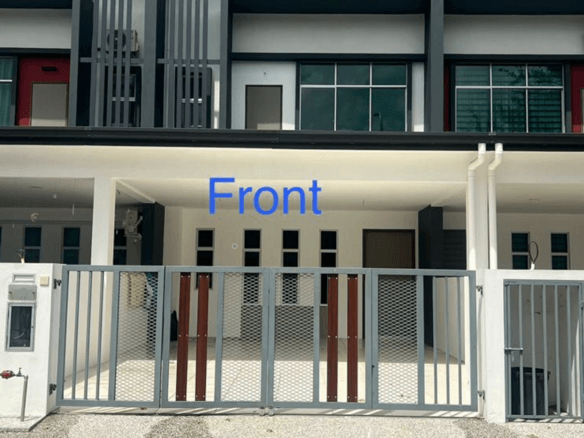

Learning how to buy property in Kota Kinabalu requires more than comparing listing prices and arranging viewings. Buyers must consider Sabah land rules, title conditions, financing, stamp duty, building management, location, and the legal steps needed to complete a transfer.
The process also varies by buyer. A Sabahan, a Malaysian from another state, a permanent resident, and a foreign national may not have the same eligibility or purchase costs. Property type matters as well. A condominium, a landed house, a new development, and a subsale unit can each involve different checks.
This guide explains how to buy property in Kota Kinabalu in 2026. Buyers planning to purchase property in Kota Kinabalu should first understand how their status affects eligibility and costs. It covers the main decisions, current foreign-buyer thresholds, financing preparation, title checks, legal work, transaction costs, handover, and practical questions to ask before paying a booking fee.
Who Can Buy Property in Kota Kinabalu?
Many Malaysian and foreign buyers can buy property in Kota Kinabalu, but eligibility should be confirmed for the specific property before any non-refundable payment is made.
Malaysian citizens
Malaysian citizens can generally purchase residential property in Sabah. However, being Malaysian does not make every title available to every buyer. The lawyer should still check the title category, registered conditions, restrictions in the title, consent requirements, and whether the property is held under an individual title, a subsidiary title for a unit in a subdivided building, a Country Lease, a Provisional Lease, a Native Title, or a Field Register interest.
Buyers from Peninsular Malaysia should not assume that a Sabah transaction will follow the same procedures used in Kuala Lumpur, Selangor, Penang, or Johor. Sabah administers land under its own state laws and procedures.
Foreign buyers
Foreign nationals can buy property in Kota Kinabalu when the property and the transaction comply with Sabah’s foreign-acquisition rules.
Under Sabah’s 2022 foreign property acquisition guideline, many categories are subject to a value of RM1 million or more. The guideline also sets a minimum of RM600,000 for high-rise housing, apartments, condominiums, and high-rise commercial suites in mixed developments, whether completed or under construction.
The same guideline contains a separate RM500,000 exception for one residential or qualifying dual-use unit, but it applies only to specified groups. These include certain expatriate officers working with the government or qualifying non-governmental organizations, and Malaysian permanent residents who hold the relevant identification status. It should not be treated as a general RM500,000 threshold for all foreign buyers.
Foreign buyers planning to purchase property in Kota Kinabalu should have a Sabah conveyancing lawyer confirm the current threshold, title eligibility, required approvals, and whether the unit’s legal use matches the intended use. A listing description alone is not enough.
Property ownership and immigration status are separate matters. Buying a home does not automatically provide a visa or the right to remain in Malaysia. Anyone considering Sabah MM2H should review the current program terms through the official Sabah authorities and obtain immigration advice where needed.
How to Buy Property in Kota Kinabalu: 10 Main Steps
The following process gives buyers a practical framework. Individual transactions may require additional work based on the title, seller, developer, financing, or buyer status.
1. Define the reason for buying
Start by deciding whether the property will be:
- a primary home
- a second home
- a retirement property
- a long-term rental investment
- a short-term accommodation investment, where permitted
- a future family property
- a commercial or mixed-use purchase
This decision affects location, property type, acceptable maintenance costs, financing, and the importance of rental demand or resale potential.
A buyer purchasing for personal use may place more weight on daily travel, schools, medical services, parking, noise, and the layout. An investor should examine realistic rent, vacancy risk, management costs, competing supply, tenant demand, and the likely resale market.
Before you buy property in Kota Kinabalu, decide how long you expect to hold it. A property that works for a two-year stay may not be suitable for a long-term investment.
2. Establish the full purchase budget
The asking price is only one part of the cost. A complete budget should include:
- down payment
- booking or earnest deposit
- stamp duty
- legal fees and disbursements
- loan documentation costs
- valuation fees
- mortgage insurance or takaful, where applicable
- state or developer consent costs
- utility deposits
- maintenance charges and sinking fund contributions
- renovation, furniture, and appliances
- moving costs
- an emergency reserve after completion
Buyers who intend to buy property in Kota Kinabalu with financing should also test the monthly payment against other commitments. Allow for possible changes in interest rates, insurance, maintenance charges, and household expenses.
For a condominium, request the current maintenance rate, sinking fund rate, outstanding special levies, and any planned major works. For landed property, allow for roof, drainage, boundary, security, and exterior maintenance.
3. Prepare financing or proof of funds
Speak with banks or mortgage advisers before serious negotiations begin. Malaysian lenders commonly review income, employment, or business records; existing debts; repayment history; debt service ratio (the share of income used for debt payments); Central Credit Reference Information System (CCRIS) records; CTOS credit reports; age; and the bank’s valuation of the property.
A pre-assessment is not a final loan approval. It does, however, help establish a realistic price range and identify documentation problems early.
Ask the lender about:
- maximum financing margin
- loan tenure
- interest or profit rate structure
- lock-in period
- early settlement conditions
- valuation requirements
- legal costs
- mortgage insurance or takaful
- treatment of foreign income
- required cash contribution
Foreign buyers may receive lower financing margins and may need to provide a larger down payment. Banks can also request passports, visas, tax returns, foreign bank statements, proof of employment, company records, and evidence showing the source of funds.
Buyers using funds from outside Malaysia should plan for transfer timing, bank compliance checks, currency movement, and any limits imposed by the sending institution.
4. Choose the right area
Location should be assessed through daily use, not a map alone. Travel time can change substantially during peak periods. Parking, road access, drainage, surrounding development, nearby construction, public services, and building access can affect day-to-day convenience.
Common locations considered by buyers include:
- Kota Kinabalu city centre for business access, shopping, restaurants, and waterfront convenience
- Tanjung Aru for airport access, coastal surroundings, and higher-end condominium options
- Likas for access to the city, schools, sports facilities, hospitals, and established residential areas
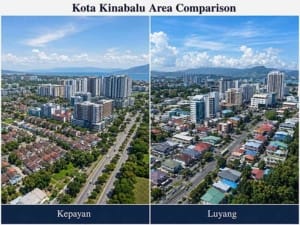
- Luyang and Damai for established neighbourhoods, shops, schools, and medical services
- Kepayan for airport access and routes linking the city with southern residential areas
- Penampang and Donggongon for family housing, local services, and more space in some price ranges
- Putatan for southern access and newer residential areas
- Inanam and Menggatal for suburban options and routes north of the city
- Sepanggar, Alamesra, and the UMS area for access to the university, port, and northern growth areas
Visit a shortlisted area at different times. Check traffic, noise, lighting, pedestrian access, mobile service, water supply history, drainage, and the condition of nearby properties.
People who buy property in Kota Kinabalu for rental income should also confirm the actual tenant profile in the area rather than relying on broad claims about demand.
5. Select the property type
The main residential choices are condominiums, apartments, landed homes, new developments, and subsale properties.
A condominium may suit a buyer who values security, shared facilities, lower exterior maintenance responsibilities, and the ability to leave the property unoccupied for extended periods. The buyer must still assess management quality, lifts, access control, water pressure, parking, insurance, maintenance arrears, and the financial health of the management body.
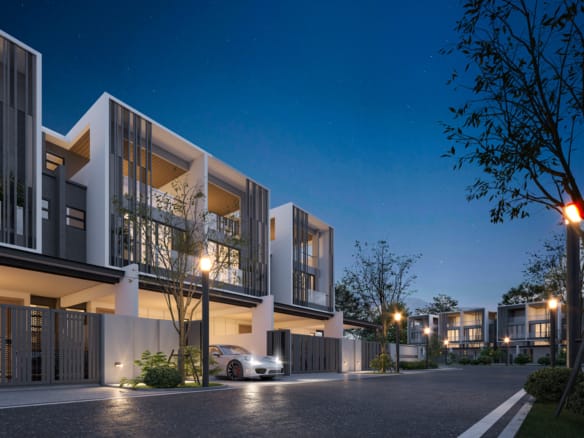
A landed home may provide more space, privacy, parking, and control. It also places more responsibility for repairs and security on the owner. Drainage, retaining walls, boundaries, roof condition, access roads, and nearby land use deserve close inspection.
A new development can offer modern layouts, staged payments, developer packages, and a defect liability period. The buyer is relying on future completion and should review the developer’s record, license, and approvals, completion timetable, density, facilities, parking allocation, and the planned supply in the surrounding area.
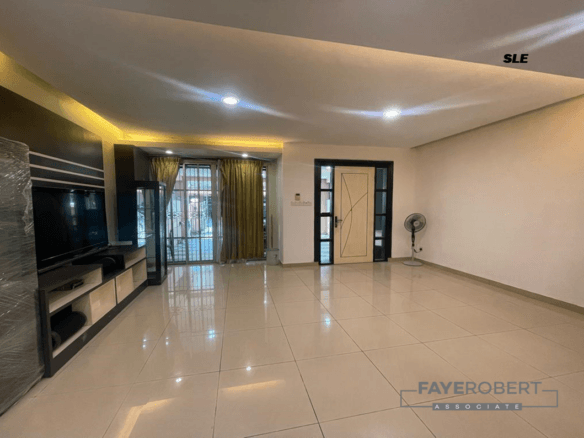
A subsale property can be physically inspected before purchase. Buyers can assess the actual unit, management, neighbors, access, and the building’s condition. The transaction may take longer if the seller’s loan must be discharged, consent is required, title issues arise, or maintenance charges are unpaid.
The best choice for a person planning to buy property in Kota Kinabalu depends on the intended use, eligible property categories, available cash, and tolerance for maintenance or completion risk.
6. Confirm eligibility before paying a booking fee
This step is one of the most important safeguards in the process.
Before paying, confirm:
- that the buyer is legally eligible for the property
- that the property meets any applicable foreign-buyer threshold
- that the title can be transferred to the buyer
- whether state, land office, developer, or management consent is needed
- whether the seller is the registered owner or has the authority to sell
- whether the property is subject to a charge, caveat (a registered notice affecting dealings), restriction, dispute, or court order
- whether the intended residential or commercial use is permitted
- whether the seller has unpaid maintenance, sinking fund, assessment, quit rent, utility, or other charges
Native Title and Field Register interests require particular caution. Sabah law provides special protection for native land and Native Reserves. Buyers who are not eligible native owners should not assume that a property can be transferred merely because it is advertised for sale.
Anyone preparing to buy property in Kota Kinabalu should have title eligibility checked by a Sabah lawyer before the booking terms become binding.
7. Inspect the unit, building, and documents
A viewing should assess more than finishes and furniture.
For a condominium or apartment, examine:
- water pressure and evidence of leaks
- lift condition and waiting times
- fire safety access
- corridor and common-area maintenance
- parking allocation and visitor parking
- access control and security
- waste collection
- noise from roads, commercial premises, facilities, and nearby units
- management office records
- maintenance arrears and special levies
- insurance and major repair plans
For landed property, inspect:
- roof condition
- water intrusion
- drainage and flood history
- electrical and plumbing systems
- structural cracking
- retaining walls and slopes
- boundaries and encroachments
- road access
- sewerage or septic arrangements
- pest damage
- unauthorised additions
A professional building inspection may be worthwhile, particularly for older properties or higher-value purchases.
For a new development, review the approved layout, unit plan, specifications, parking entitlement, facilities, completion provisions, defect process, and any differences between marketing materials and contractual documents.
8. Negotiate and document the offer
The offer should state the purchase price and all important conditions. Anyone who decides to buy property in Kota Kinabalu should insist that material promises are recorded in writing. These may include:
- deposit amount
- financing condition
- deadline for signing the Sale and Purchase Agreement
- fixtures, furniture, and appliances included
- vacant possession terms
- required repairs
- settlement of maintenance arrears
- consent requirements
- refund conditions
- completion timeline
- treatment of existing tenancy
- apportionment of charges
Do not rely on verbal promises. Material terms should be set out in the offer, booking form, or the later Sale and Purchase Agreement, as advised by the lawyer.
A buyer who needs financing should understand what happens to the deposit if the loan is declined or the bank values the property at a price below the agreed price. The exact wording matters.
9. Appoint a Sabah conveyancing lawyer and sign the SPA
A property agent assists with the search, viewing, market information, and negotiation. A lawyer handles the legal review and protects the buyer’s position in the transfer.
Use a lawyer familiar with conveyancing in Sabah. The lawyer may:
- conduct title and bankruptcy or company searches
- review ownership and restrictions
- Check charges and caveats
- Advice on consent requirements
- Prepare or review the Sale and Purchase Agreement
- arrange stamping
- coordinate loan documentation
- manage the seller’s loan discharge
- Prepare transfer or assignment documents
- hold stakeholder funds
- calculate completion amounts
- register the transfer where applicable
The Sale and Purchase Agreement should identify the property, the parties, the price, the payment schedule, the completion date, the default provisions, the included items, the handover conditions, and any special terms.
People who buy property in Kota Kinabalu should not sign legal documents they do not fully understand. Ask the lawyer to explain deadlines, late-payment consequences, financing risks, consent delays, and the conditions for release of funds.
10. Complete the purchase and take possession
After the SPA is signed, the lawyer, lender, seller, developer, and relevant authorities complete the remaining requirements. The steps may include valuation, loan approval, signing the loan agreement, stamping, consent applications, title registration, loan discharge, payment of the balance, and delivery of vacant possession.
At handover, collect and verify:
- keys and access cards
- parking details
- mailbox keys
- utility account information
- management contacts
- receipts for paid charges
- inventory of included items
- vacant possession
- defect forms for a new unit
- warranties and manuals
- copies of final transaction documents
For a new development, inspect the unit promptly within the defect liability period. Submit defects in writing and keep photographs, dates, and correspondence.
For a subsale property, confirm that the agreed condition, included items, and vacant possession terms have been met before final acceptance.
Costs to Buy Property in Kota Kinabalu
The total cash required to buy a property in Kota Kinabalu depends on the price, financing margin, buyer status, property type, and available exemptions.
Deposit and down payment
The deposit structure varies. In a subsale transaction, a buyer may pay an earnest deposit when the offer is accepted and the balance of the agreed deposit when the SPA is signed. The buyer should verify the recipient, stakeholder arrangements, refund terms, and conditions before transferring money.
A lower bank valuation can increase the cash required because lenders generally calculate financing against their approved value or the purchase price under the bank’s rules.
Stamp duty
Malaysia imposes stamp duty on legal instruments. The amount is generally based on the higher of the consideration or market value.
For Malaysian citizens and permanent residents, property transfer duty generally uses progressive bands of 1% on the first RM100,000, 2% on the next RM400,000, 3% on the next RM500,000, and 4% on the amount exceeding RM1 million.
From January 1, 2026, the Finance Act 2025 applies an 8% rate to instruments transferring residential property to foreign companies and individuals who are neither Malaysian citizens nor permanent residents. The property’s definition and legal use matter, so foreign buyers should obtain a transaction-specific calculation from their lawyer.
Eligible Malaysian citizens buying their first residential property valued at not more than RM500,000 may qualify for stamp duty exemptions on the transfer instrument and the qualifying loan agreement for SPAs executed by December 31, 2027. Conditions apply, including prior ownership restrictions.
Anyone planning to buy property in Kota Kinabalu should request a written estimate covering transfer duty, loan-agreement duty, legal fees, disbursements, registration charges, and applicable taxes before signing the SPA.
Legal, valuation, and loan costs
Legal fees are normally calculated in accordance with the applicable remuneration rules, with additional disbursements for searches, registration, travel, copies, and administrative work. Loan documentation creates a separate set of legal and stamping costs.
A bank may require an independent valuation. The buyer may also pay mortgage insurance or takaful, processing charges, and other lender costs.
Ongoing ownership costs
After completion, people who buy property in Kota Kinabalu may face:
- maintenance charges
- sinking fund contributions
- special levies
- assessment rates
- annual land rent, commonly called quit rent
- insurance
- utilities
- repairs and replacement
- property management fees
- income tax on rental income
- tax and legal costs when the property is later sold
These costs should be included when comparing two properties with similar prices.
Common Mistakes When Buying Property in Kota Kinabalu
Several mistakes repeatedly create financial or legal problems:
- paying a booking fee before checking eligibility
- assuming a foreign-buyer threshold applies to every property category
- Treating Sabah rules as identical to Peninsular Malaysia
- ignoring Native Title, Field Register, title restrictions, or consent requirements
- relying on a bank pre-assessment for guaranteed approval
- failing to budget for stamp duty and legal costs
- choosing a unit without checking management finances
- accepting rental projections without evidence
- failing to inspect parking, lifts, water pressure, drainage, and access
- relying on verbal promises about furniture, repairs, views, or future facilities
- signing a booking form without understanding the refund conditions
- proceeding without independent legal advice
A disciplined process is particularly important for overseas buyers who cannot inspect the property or attend every step in person.
Questions to Ask Before You Buy Property in Kota Kinabalu
Ask the agent, seller, developer, lawyer, lender, and management office questions that relate to their respective roles.
Useful questions include:
- What is the exact title type?
- Are there restrictions on interest?
- Is consent needed for this buyer or transfer?
- Is the property eligible for a foreign buyer?
- What value will the bank use?
- Are maintenance fees or sinking fund contributions overdue?
- Are any special levies approved or expected?
- Is the parking bay legally allocated?
- Is the unit tenanted?
- Has the property been renovated without approval?
- Are there known water, lift, drainage, or structural problems?
- What items are included in the purchase?
- What happens to the deposit if financing or consent is refused?
- What is the expected completion timeline?
- Which costs are payable by the buyer?
Clear answers should be supported by documents where appropriate.
Quick Checklist for Buyers
Before committing to buy a property in Kota Kinabalu:
- define the purpose of the purchase
- Calculate the full budget
- obtain financing guidance or prepare proof of funds
- shortlist suitable areas
- Compare new and subsale options
- Confirm buyer and property eligibility
- Check the title and restrictions
- Inspect the property and building management
- document all offer conditions
- Appoint a Sabah conveyancing lawyer
- obtain a complete cost estimate
- Review the SPA before signing
- Confirm handover and defect procedures
Frequently Asked Questions
Can foreigners buy property in Kota Kinabalu?
Yes. Foreign nationals can buy property in Kota Kinabalu if it meets Sabah’s foreign-acquisition rules. Minimum values, property category, title, legal use, and approvals must be checked for the specific unit.
What is the minimum property price for foreigners in Sabah?
Sabah’s 2022 guideline applies RM1 million or more to many property categories. It also provides a minimum of RM600,000 for qualifying high-rise housing, apartments, condominiums, and high-rise commercial suites in mixed developments. A separate RM500,000 exception applies only to specified buyer groups and should not be treated as the general threshold.
Can West Malaysians buy property in Sabah?
Malaysian citizens from Peninsular Malaysia can generally purchase property in Sabah, but the type of title, native land restrictions, conditions, and consent requirements must still be reviewed.
Is a condo or a landed house better in Kota Kinabalu?
The answer depends on budget, space, parking, security, maintenance preference, location, intended use, and eligibility. A condo may require less exterior maintenance. A landed property can provide more control and space, but places greater responsibility on the owner.
Is a new development safer than a subsale property?
Neither option is automatically safer. A new development requires careful review of the developer, approvals, contract, delivery timetable, and future supply. A subsale purchase requires inspection of the actual property, title, seller, management records, arrears, and condition.
How much cash is needed to buy a property in Kota Kinabalu?
The required cash can include the deposit, any amount not financed by the bank, stamp duty, legal fees, loan costs, valuation, insurance, consent charges, utilities, renovation, furniture, and a post-completion reserve. Foreign buyers may need a larger down payment and face the 8% residential transfer duty.
Do I need a lawyer?
A conveyancing lawyer in Sabah is strongly recommended. The lawyer checks title, ownership, restrictions, consent, the SPA, transfer documentation, stamping, and completion requirements.
What should be checked before paying a booking fee?
Confirm buyer eligibility, foreign-buyer threshold where relevant, title type, seller authority, financing terms, deposit recipient, refund conditions, consent requirements, included items, and the deadline for signing the SPA.
How Faye Robert Can Assist Property Buyers
Faye Robert can help buyers identify suitable properties in Kota Kinabalu, compare neighborhoods and developments, arrange viewings, gather listing information, and communicate with sellers or developers during the search and negotiation stages.
She can also help buyers identify practical questions to address before making an offer, including property type, location, parking, maintenance charges, occupancy, and whether the listing appears suitable for the buyer’s stated requirements.
Legal, tax, financing, immigration, and title advice should come from the appropriate licensed professionals and authorities. Faye can coordinate with the buyer’s lawyer, lender, developer, or other parties to the transaction as needed.
Buyers ready to buy property in Kota Kinabalu can begin by reviewing current listings and discussing their budget, intended use, preferred areas, and buyer status.
Conclusion
The safest way to buy property in Kota Kinabalu is to prepare a budget first, verify eligibility early, inspect the property carefully, and engage a Sabah conveyancing lawyer before making any binding commitments.
Local land rules, title conditions, foreign-purchase thresholds, financing, and transaction costs can materially affect the purchase. A systematic review reduces the chance of delays, unexpected costs, or a property that cannot be transferred to the intended buyer.
With clear objectives, complete financial preparation, reliable local property assistance, and independent legal advice, buyers can make a better-informed decision about property in Kota Kinabalu.
Disclaimer
This article provides general information and was current at the time of writing in 2026. Property rules, foreign acquisition thresholds, taxes, stamp duty, exemptions, financing terms, immigration programs, and government procedures may change. The application of a rule can also depend on the buyer, title, property use, development, and transaction documents.
Readers should confirm current requirements with the relevant Sabah and Malaysian authorities. Obtain advice from a qualified Sabah conveyancing lawyer and, where appropriate, licensed tax, financial, and immigration professionals before entering a property transaction.