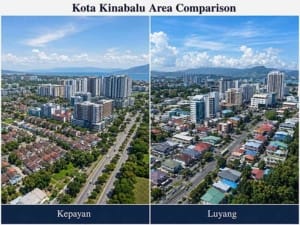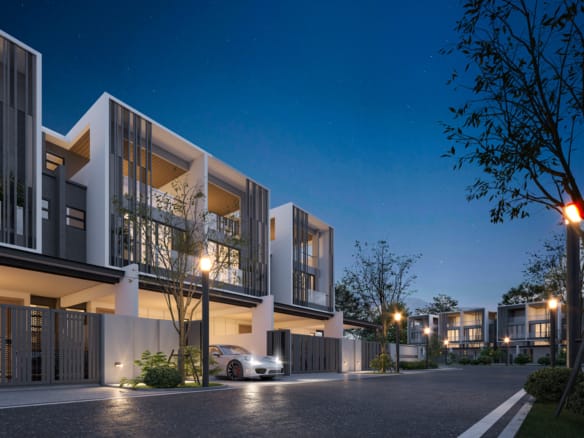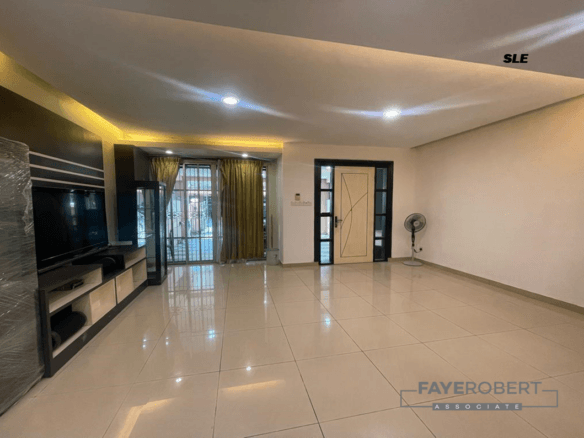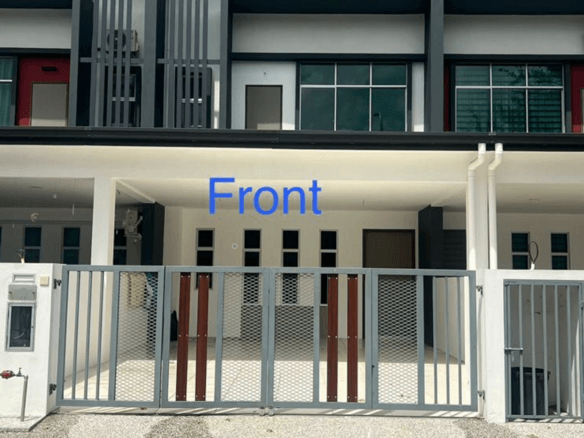

Choosing among the best areas to live in Kota Kinabalu starts with a simple question: what must your location make easier every day? A neighbourhood that works well for a city-centre professional may be inconvenient for a family with school runs. At the same time, a quieter outer area may suit a remote worker but frustrate someone who travels through peak-hour traffic.
Kota Kinabalu offers waterfront condominiums, mature residential suburbs, airport-side neighbourhoods, and expanding northern districts. Nearby Penampang and Putatan also fall within the wider urban property search, although they are under different local authorities. The right choice depends on your budget, workplace, schools, preferred property type, transport habits, and plans for the property.
This guide compares the best areas to live in Kota Kinabalu for families, professionals, retirees, foreign buyers, and investors. It also explains what to check at the street and development level before you buy or rent. For a broader view of available homes, condos, apartments, land, commercial properties, and developments, begin with the Kota Kinabalu property search.
How to Choose the Best Areas to Live in Kota Kinabalu
The best areas to live in Kota Kinabalu are not necessarily the closest to the city centre or the most expensive. A strong choice reduces friction in your normal routine and gives you a property that remains practical as your needs change.
Start with the destinations you visit most often. These may include your workplace, children’s schools, hospitals, supermarkets, places of worship, sports facilities, and family members. Test the journey during weekday mornings and evenings. A route that looks short on a map can take much longer when school traffic, road junctions, and limited alternative routes are involved.
Property type matters as much as location. The city centre, waterfront, Sembulan, and Sutera Harbour offer a concentration of high-rise living. Likas, Luyang, Kepayan, Inanam, and nearby Penampang provide a broader mix of condominiums, apartments, terrace houses, semi-detached homes, and detached properties. Northern areas such as Menggatal, Sepanggar, and Telipok often offer newer housing options, although the trade-off may be a longer commute.
Buyers should also compare total ownership costs. Renovation, transport, maintenance charges, sinking-fund contributions, or major building repairs can offset a lower purchase price. The cost of buying property in Kota Kinabalu explains the wider transaction costs that should be added to the property price.
Finally, visit the exact street or development multiple times. Check access, parking, road noise, aircraft noise, commercial activity, drainage, slope conditions, afternoon heat, mobile coverage, and surrounding construction. Kota Kinabalu City Hall is the local authority for the city, but nearby areas may fall under the authority of Penampang or Putatan.
Quick Comparison of Kota Kinabalu Residential Areas
When comparing the best areas to live in Kota Kinabalu, use the table below as a starting point rather than a final ranking. These descriptions are broad tendencies rather than guarantees. Conditions can vary substantially between streets, buildings, and phases within the same area.
| Area | Often suits | Common property choices | Main strength | Point to check |
| City centre and waterfront | Professionals, investors, and buyers who value convenience | Condos, serviced residences, and older apartments | Central access to business, dining, and retail | Noise, traffic, parking, and building management |
| Likas | Families, professionals, and coastal-lifestyle buyers | Condos, apartments, and landed homes | City access, recreation, and housing variety | Road access, drainage, and building age |
| Luyang, Damai, and Foh Sang | Families and buyers who want mature amenities | Condos, apartments, and landed homes | Established shops, dining, schools, and services | Congestion and parking near commercial areas |
| Tanjung Aru and Kepayan | Frequent travellers, families, and airport workers | Condos, apartments, and landed homes | Airport access and established neighbourhoods | Aircraft noise, traffic, and site-specific drainage |
| Sutera Harbour and Sembulan | Buyers seeking central or premium high-rise living | Condos, serviced residences, and older apartments | City, airport, marina, and resort access | Price, fees, construction, and exact property setting |
| Inanam and Kolombong | Families and value-focused buyers | Apartments, condos, and landed homes | Space, commerce, and broader price choices | Industrial activity, heavy vehicles, and commute |
| Menggatal, Sepanggar, and Telipok | Buyers prioritizing newer housing or lower entry prices | Apartments, condos, and landed homes | Wider selection in the northern corridor | Distance, road capacity, and future competing supply |
| Penampang and Putatan | Families and buyers comparing Greater KK alternatives | Condos, apartments, and landed homes | More suburban choices and access to southern routes | Local authority, traffic, drainage, and commute |
Kota Kinabalu City Centre and Waterfront
For buyers who want offices, restaurants, shopping, markets, hotels, and entertainment close by, the city centre remains one of the best areas to live in Kota Kinabalu. It may suit professionals who work in the city center, retirees who prefer nearby services, and investors targeting tenants who value convenience.
The area includes established apartments, newer condominiums, serviced residences, and mixed-use properties. Some homes provide sea or island views, while others sit within busy commercial blocks. The Sabah Tourism Board’s Kota Kinabalu guide provides useful context on the city’s main visitor, transport, and waterfront areas.
Central living can reduce some journeys, but it does not remove the need to inspect the immediate setting. Buyers should check traffic noise, nightlife, loading areas, visitor parking, lift capacity, short-stay activity, and the condition of common property. In a mixed-use building, confirm how residential entrances, parking, deliveries, and commercial operations are separated.
The waterfront can be attractive, but view premiums should be assessed carefully. A view may change if neighbouring land is developed. Salt exposure can also increase maintenance needs for windows, balcony fittings, exterior finishes, and mechanical equipment. Review the management budget and building condition rather than paying for the outlook alone.
Likas
Likas is regularly included among the best areas to live in Kota Kinabalu because it offers convenient access to the city, established residential districts, coastal recreation, schools, healthcare facilities, and a wide range of property types.
Housing includes older apartments, established condominiums, modern high-rise projects, terrace houses, semi-detached homes, and detached properties. This variety makes Likas relevant to first-time buyers, families, professionals, retirees, and investors, although prices and property conditions differ considerably across the district.
The coastal side of Likas offers access to Likas Bay and public recreation areas. The Sabah Tourism Board’s information on the City Mosque at Likas Bay confirms the area’s waterfront setting. However, buyers should still judge convenience based on the specific property rather than the district name.
Road access is a key point. Some properties connect easily to major routes, while others depend on local roads that become busy during school or commuter periods. For older condominiums, inspect lifts, waterproofing, exterior condition, fire-safety systems, parking, management accounts, and planned repairs. For landed homes, check renovation history, drainage, boundaries, access, and the condition of roofs, wiring, and plumbing.
Likas may be one of the best areas to live in Kota Kinabalu for buyers who want a mature district without being directly inside the central business area. It works best when the specific street, building, and daily route match the buyer’s routine.
Luyang, Damai, and Foh Sang
Luyang, Damai, and Foh Sang form one of the city’s most established residential and commercial clusters. For families who want groceries, restaurants, clinics, schools, banking, and daily services nearby, this cluster often ranks among the best areas to live in Kota Kinabalu.
The property mix includes older landed homes, renovated terrace houses, apartments, established condominiums, and newer residential or mixed-use projects. Mature neighbourhoods can offer proven convenience and established communities, but older properties may require more investigation and a larger renovation reserve.
Luyang is particularly practical for buyers who travel between central Kota Kinabalu, Penampang-side destinations, and other established suburbs. However, popular dining and commercial streets can create congestion and limited parking. Visit at meal times and during weekday peaks before deciding that a nearby commercial centre is entirely an advantage.
Older landed homes may offer larger plots or more internal space than some new projects, but buyers should inspect the roof, drainage, retaining structures, extensions, wiring, plumbing, and approvals for past alterations. Condominium buyers should compare maintenance charges, sinking funds, occupancy, parking, management quality, and the likely cost of upcoming repairs.
For many owner-occupiers, Luyang and its neighbouring areas are among the best areas to live in Kota Kinabalu because they balance central access with mature neighbourhood services. The strongest property is usually the one that offers quiet residential use without making everyday errands difficult.
Tanjung Aru and Kepayan
Tanjung Aru and Kepayan are often considered by buyers who want southern city access, established neighbourhoods, and convenient travel to Kota Kinabalu International Airport. These areas may suit frequent travellers, airport employees, families, and retirees.
Tanjung Aru has a distinct coastal identity. The official Tanjung Aru Beach page identifies the beach, Perdana Park, the Sabah State Library, and nearby recreation facilities. Properties marketed as being near Tanjung Aru should still be tested for actual walking access, road crossings, traffic, and distance from the beach.
Housing ranges from older apartments and landed homes to condominiums and newer projects. Tanjung Aru can command a location premium, while Kepayan may offer a broader mix of residential choices and access to surrounding commercial areas.
Aircraft noise varies by location and building orientation. Visit at several times of day, stand on the balcony with windows open, and ask residents about normal flight activity. Buyers should also check traffic on airport routes, parking, road access, drainage, and any nearby redevelopment plans.
For people whose routine includes frequent flights or southern Kota Kinabalu destinations, these can be among the best areas to live in Kota Kinabalu. A buyer who works in the northern corridor, however, may find the daily cross-city journey less appealing.
Sutera Harbour and Sembulan
Sutera Harbour and parts of Sembulan may appeal to buyers seeking central access, higher-end condominiums, marina or resort surroundings, and relatively convenient airport connections. They are often included in discussions of the best areas to live in Kota Kinabalu for executives, expatriates, retirees, and buyers who prefer high-rise living.
The two names should not be treated as interchangeable. Sutera Harbour is associated with a premium resort and marina environment, while Sembulan contains a wider mix of older residential properties, apartments, commercial areas, and newer developments. The exact project and street have a greater effect on the living experience than the general area label.
Buyers should compare the purchase price, maintenance charges, sinking fund contributions, parking, security, lift service, and common-area quality. Confirm which facilities residents can use and whether any hotel, marina, club, or commercial amenities require separate membership or payment.
Construction activity is another consideration. Central and waterfront-adjacent sites may be redeveloped, affecting access, noise, dust, views, and future competition. Ask about neighbouring land, planned phases, road changes, and the expected completion of nearby works.
Sutera Harbour and selected Sembulan properties can be among the best areas to live in Kota Kinabalu for buyers who value a central, condominium-focused lifestyle. They are less suitable for buyers who want a large landed home, low monthly fees, or a quiet suburban setting.
Inanam and Kolombong
Inanam and Kolombong provide a wide range of housing, retail, workshops, warehouses, and commercial activity. For buyers who want more space or a broader choice of landed homes, these areas may be among the best areas to live in Kota Kinabalu at a more accessible budget than some central locations.
The residential stock includes terrace houses, semi-detached homes, apartments, condominiums, shop apartments, and newer projects at the edges of established neighbourhoods. Daily shopping and services are widely available, though convenience varies by residential pocket and road access.
Buyers should pay close attention to surrounding land use. A home may be near useful commercial services but also close to workshops, warehouses, heavy-vehicle routes, or noisy business operations. Visit on a working weekday, not just on a quiet Sunday afternoon.
Commuting into central Kota Kinabalu can be manageable from some locations and frustrating from others. Test the route rather than relying on the distance shown in a listing. Check alternative roads, school traffic, and bottlenecks at major junctions.
Inanam and Kolombong are often practical choices for families who need more internal space, parking, or a landed property. They can be among the best areas to live in Kota Kinabalu when the buyer selects a genuinely residential setting and accepts the travel pattern.
Menggatal, Sepanggar, and Telipok
The northern corridor offers newer residential projects, landed housing, apartments, and price points that may be harder to find in central Kota Kinabalu. Menggatal, Sepanggar, and Telipok therefore appear on many lists of the best areas to live in Kota Kinabalu for first-time buyers, families, and purchasers prioritizing space or a lower entry price.
Sepanggar may appeal to households connected with Universiti Malaysia Sabah, nearby institutions, industrial areas, or northern employment centres. Menggatal provides established local services and expanding residential choices. Telipok extends the search farther north, where some buyers may find more houses for their budget.
The main trade-off is travel. Road capacity, peak-hour congestion, public transport, and distance to central healthcare or workplaces should be carefully assessed. A buyer who works in Sepanggar may find the area highly practical, while someone commuting daily to the waterfront may reach a different conclusion.
Newer housing should not be assumed to be trouble-free. Review developer history, completion status, workmanship, defect procedures, access roads, drainage, management arrangements, and future phases. The guide to new launch versus subsale in Kota Kinabalu explains the different checks required for new and completed properties.
These northern districts may be among the best areas to live in Kota Kinabalu for buyers who can align their work and family routine with the location. Lower price alone is not enough if fuel, travel time, and multiple daily journeys make the home impractical.
Penampang, Bundusan, and Donggongon
Penampang, Bundusan, and Donggongon are commonly included in a Greater Kota Kinabalu property search. They offer established commercial centres, schools, landed neighbourhoods, condominiums, apartments, and newer developments. However, buyers should understand that Penampang is administered separately from DBKK through the Penampang Municipal Council.
These locations can suit families, buyers who work on the southern or eastern side of the urban area, and people who prefer a suburban setting. Bundusan provides access to substantial commercial activity, while Donggongon serves as an established town centre for Penampang.
Traffic is the central question. Test travel during school periods, morning peaks, and evening peaks. Roads that appear direct may become congested at junctions or commercial nodes. Buyers should also investigate drainage history, site elevation, nearby waterways, slopes, and access after heavy rain.
Penampang locations are sometimes included among the best areas to live in Kota Kinabalu because they function as part of the wider urban area. For accuracy, the article and property listing should identify the correct district, local authority, title details, and address rather than using “Kota Kinabalu” as a general marketing label.
Putatan and Petagas
Putatan and Petagas provide another southern alternative for buyers compared to Greater Kota Kinabalu. These areas may appeal to airport employees, families, buyers working south of the city, and purchasers looking for landed homes or apartments outside the central market.
Putatan has its own local authority, the Putatan District Council. Buyers should confirm assessment matters, local services, approvals, and the correct jurisdiction for the specific property.
Access to the airport and southern routes can be convenient, but commuting into central Kota Kinabalu remains traffic-sensitive. Rail proximity may be useful for some residents, although the service pattern, station access, and connection to the buyer’s actual destinations should be checked directly.
Putatan and Petagas may not appear on every narrow list of the best areas to live in Kota Kinabalu, but they deserve consideration in a Greater KK search. They are strongest for buyers whose work, family, and routine are already oriented to the southern corridor.
Best Areas to Live in Kota Kinabalu by Buyer Type
Different buyers will reach different conclusions after comparing the best areas to live in Kota Kinabalu. The following shortlists are starting points, not rankings.
Best for City-Centre Convenience
The city centre, waterfront, Sembulan, and Sutera Harbour generally provide the most direct access to central offices, retail, dining, hotels, and entertainment. Buyers should compare parking, noise, management quality, monthly fees, and actual walking conditions.
Best for Families
Likas, Luyang, Damai, Kepayan, selected parts of Inanam, and nearby Penampang may suit families who need schools, shopping, healthcare, parking, and a choice of landed or high-rise homes. The best option depends on the household’s school and work routes.
Best for Frequent Travellers
Tanjung Aru, Kepayan, Sembulan, Sutera Harbour, Putatan, and Petagas may offer practical airport access. Aircraft noise and peak-hour road conditions should still be tested at the specific property.
Best for Coastal Surroundings
Tanjung Aru, Likas, the city waterfront, and Sutera Harbour provide the strongest coastal associations. A coastal address does not guarantee an open view, direct beach access, or low maintenance, so verify each claim.
Best for More Affordable Choices
Inanam, Kolombong, Menggatal, Sepanggar, Telipok, and Putatan may provide more choices at lower entry prices than premium central or waterfront areas. Affordability still depends on property type, condition, tenure, size, fees, renovation, and transport costs.
Best for Rental Investment
The best areas to live in Kota Kinabalu are not automatically the best investment areas. Investors need a defined tenant group, realistic rent, manageable fees, acceptable vacancy risk, and a resale market.
The National Property Information Centre’s latest property publications include Q1 2026 transaction, price, stock, launch, and market-status material, as well as Sabah price and rental tables. Independent analysis from Rahim & Co’s Kota Kinabalu Housing Property Monitor reported that recent Sabah residential demand remained concentrated in affordable and mid-market segments. In contrast, premium high-rise oversupply remained a concern.
That does not make every lower-priced property a good investment. Compare the unit with competing rentals, calculate net yield after maintenance and vacancy, and confirm any restrictions on short-term accommodation. Investors should also consider whether a property appeals to city professionals, hospital staff, airport workers, university students, expatriates, families, or retirees.
Questions to Ask Before Choosing a Neighbourhood
Use this checklist when comparing the best areas to live in Kota Kinabalu. Copy it into your viewing notes and complete it for each property.
- ☐ How long is the real weekday journey to work, school, or other regular destinations?
- ☐ Is the property close to the shopping, healthcare, dining, and services I use most often?
- ☐ Does the area offer the property type, internal space, and parking I need?
- ☐ Have I visited during the morning, evening, and weekend?
- ☐ Is road, aircraft, commercial, school, or construction noise noticeable?
- ☐ Are there drainage, slope, retaining-wall, or access issues affecting the exact site?
- ☐ Is public transport practical for my routine, or will I rely on a car or e-hailing?
- ☐ What construction, road work, or future development is planned nearby?
- ☐ For a condominium, are the maintenance charges and sinking fund reasonable for the facilities provided?
- ☐ For a landed home, have the roof, wiring, plumbing, drainage, boundaries, and past extensions been checked?
- ☐ Is there steady demand from the type of tenant or future buyer I expect?
- ☐ Does the title, approved use, property category, and local authority match the listing information?
- ☐ Would I still choose this location if traffic or travel time increased?
- ☐ Have I compared at least two other areas and several competing properties?
Common Mistakes When Comparing Kota Kinabalu Neighbourhoods
One of the easiest ways to misjudge the best areas to live in Kota Kinabalu is to choose an area after one viewing. Streets can feel very different during school arrival, the evening commute, heavy rain, or weekend commercial activity. Visit at times that reflect how you will use the property.
Another error is treating district names as precise descriptions. “Likas,” “Luyang,” “Kepayan,” or “Penampang” can cover a large and varied area. Confirm the actual address, road connection, building, local authority, and nearby land use.
Buyers also focus heavily on purchase price and overlook the cost of living with the location. A cheaper home may require more fuel, more travel time, additional vehicles, renovation, or higher building fees. A premium central condo may save time but carry substantial maintenance and parking costs.
Investors sometimes assume that a busy area guarantees strong rent. Tenant demand depends on unit size, furnishing, parking, building management, rental rules, competing supply, and the price relative to alternatives. Review actual comparable rentals rather than relying on the highest advertised figure.
Foreign buyers should not assume that every property or price range is available to them. The article on foreign-buyer property rules in Sabah explains the need to confirm current state requirements, title conditions, approvals, and minimum purchase requirements.
Condominium buyers should also examine the building, not just the unit. The buying a condo in Kota Kinabalu checklist covers title, management finances, sinking funds, defects, parking, facilities, and other checks that can affect long-term ownership.
How Faye Robert Can Help You Compare Areas
Faye Robert can help buyers turn a broad list of the best areas to live in Kota Kinabalu into a practical shortlist. The process begins with the buyer’s budget, intended use, preferred property type, workplace, schools, travel habits, and timeline.
Faye can identify available homes and developments, arrange viewings in several neighbourhoods, request property information, and help buyers compare location, access, facilities, condition, and asking price. She can also assist with communication among buyers, owners, developers, lawyers, lenders, valuers, and inspectors.
A local property professional does not replace legal, financial, tax, engineering, or building-inspection advice. Buyers should use the appropriate qualified professional for title checks, contracts, financing, taxation, structural concerns, and technical inspections.
Frequently Asked Questions
What is the best area to live in Kota Kinabalu for families?
Likas, Luyang, Damai, Kepayan, selected parts of Inanam, and nearby Penampang are common starting points. The strongest choice depends on school routes, workplace, budget, parking, and whether the family wants a condominium or a landed home. The best areas to live in Kota Kinabalu for one family may be impractical for another with different daily destinations.
Which Kota Kinabalu areas are closest to the airport?
Tanjung Aru, Kepayan, Sembulan, Sutera Harbour, Petagas, and Putatan provide relatively direct access to the airport corridor. Test the actual route during peak periods and check for aircraft noise at the property.
Is Likas or Luyang better?
Likas may suit buyers who value coastal recreation, a broad range of property types, and access to the northern side of the city. Luyang may suit buyers who prioritize mature commercial areas, dining, schools, and central road connections. Both can be among the best areas to live in Kota Kinabalu, but the answer depends on the exact property and routine.
Where do expatriates live in Kota Kinabalu?
Expatriates consider the city centre, waterfront, Sutera Harbour, Tanjung Aru, Likas, Luyang, and other locations depending on employment, schools, property type, transport, and budget. Avoid choosing solely on reputation. Compare building management, security, parking, services, and travel time.
What are the more affordable areas around Kota Kinabalu?
Inanam, Kolombong, Menggatal, Sepanggar, Telipok, Putatan, and some parts of Penampang may offer more choices at lower prices than premium central districts. Property condition, tenure, size, fees, and commuting costs can significantly affect the true cost.
Can I live in Kota Kinabalu without a car?
It is more practical in selected central or mixed-use locations where shopping, dining, work, and services are close together. Many residents still use cars or e-hailing services because destinations are spread across the urban area. Test daily trips before assuming a property supports a car-free routine.
Which areas are best for property investment?
The best investment area depends on the target tenant, purchase price, rent, vacancy, maintenance costs, building management, future supply, and resale demand. Central condos may attract professionals or visitors, while northern or suburban homes may suit families, students, or workers near major institutions. The best areas to live in Kota Kinabalu should be assessed separately from those offering the strongest net investment returns.
Can foreigners buy homes in every Kota Kinabalu neighbourhood?
Neighbourhood alone does not decide eligibility. Foreign buyers must confirm the property value, title, approved use, state requirements, required consent, and current Sabah rules. Some properties may not qualify even when they are marketed to international purchasers.
Final Thoughts on the Best Areas to Live in Kota Kinabalu
No single neighbourhood leads in every category. The city centre offers convenience; Likas and Luyang provide mature residential choices; Tanjung Aru and Kepayan serve the airport corridor; the northern areas offer more new housing; and Penampang or Putatan may suit buyers whose lives are oriented outside central KK.
The most reliable way to identify the best areas to live in Kota Kinabalu is to shortlist two or three locations, visit them at different times, and compare properties in person rather than relying on general impressions. Test the commute, inspect the street and building, calculate the full ownership cost, and confirm the title, approved use, and local authority.
The best areas to live in Kota Kinabalu are ultimately those that support your daily life, remain affordable after all costs are factored in, and offer a sensible future market for property. A careful comparison before you commit is far less expensive than discovering that the location does not work after the purchase is complete.
Disclaimer
This information was current at the time of writing on July 4, 2026. Property availability, prices, development status, road conditions, local planning, financing requirements, foreign-buyer rules, and government requirements can change. Confirm current information with the relevant authority, and obtain independent legal, financial, tax, valuation, engineering, or building-inspection advice where appropriate.