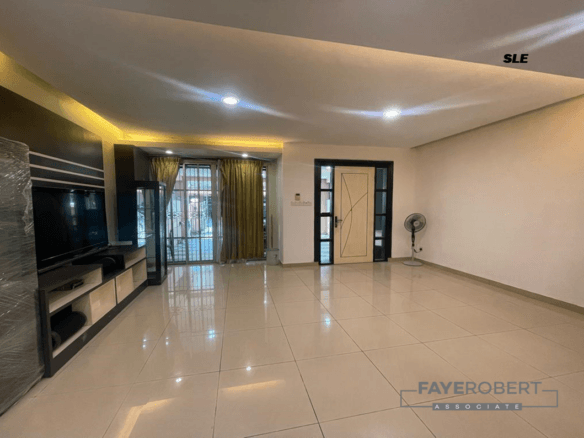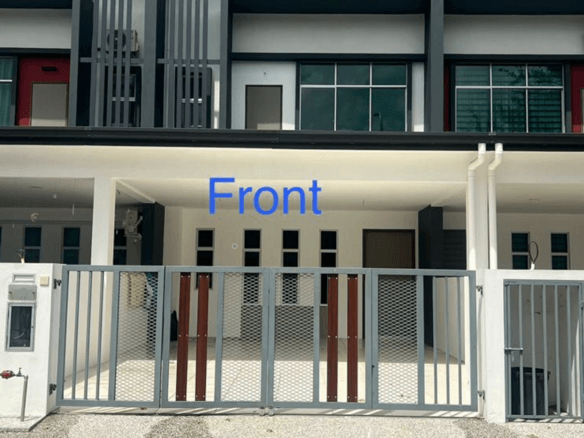

Choosing between Kepayan and Luyang is less about finding one universally better neighbourhood and more about matching an address to a buyer’s daily life. Both are established parts of urban Kota Kinabalu, yet their housing mix, airport access, commercial surroundings, road connections, and typical price points can lead buyers in different directions.
This Kepayan vs Luyang property comparison examines location, property types, market evidence, amenities, traffic, family suitability, rental considerations, and property-specific risks. It is intended to help buyers create a sensible shortlist before they inspect individual homes or condominium developments.
The Kepayan vs Luyang property question has no universal answer. Kepayan often deserves closer attention from buyers who value airport access, southern-city connections, and selected newer condominium options. Luyang often appeals to buyers who prefer mature residential pockets, established commercial centres, and convenient access to central Kota Kinabalu. A final decision still depends on the precise street, development, title, condition, parking, and asking price.
Kepayan vs Luyang Property at a Glance
The table below summarizes the general differences. These are area-level tendencies rather than promises about every property. Parts of Kepayan, Luyang, Lido, Damai, and Lintas sit close together, and listing descriptions do not always use neighbourhood names consistently.
| Comparison factor | Kepayan | Luyang |
| General position | South and southeast of central Kota Kinabalu | East and southeast of central Kota Kinabalu |
| Airport access | Usually the stronger choice | Still practical from many addresses |
| City-centre access | Convenient, but route-dependent | Often closer and more direct |
| Housing character | Established landed homes, apartments, and selected newer high-rises | Mature landed neighbourhoods, apartments, condominiums, and mixed-use projects |
| Likely buyer appeal | Frequent travellers, value-focused buyers, families, and condominium buyers | Families, professionals, landed-home buyers, and buyers prioritizing mature amenities |
| Main checks | Road and aircraft noise, traffic, drainage history, parking, and exact micro-location | Traffic, older building condition, renovation needs, parking, and higher prices in some pockets |
A Kepayan vs Luyang property search should therefore begin with the buyer’s priorities rather than a neighbourhood label. A home that is technically in the preferred area can still be unsuitable if the access road, parking arrangement, building management, or renovation burden does not fit the buyer.
Where Kepayan and Luyang Sit Within Kota Kinabalu
Kepayan and Luyang both fall within the wider Kota Kinabalu urban area. The DBKK Kota Kinabalu tourism strategic plan lists Tanjung Aru/Kepayan and Luyang among the localities within the City Hall’s administrative coverage. For Kepayan vs Luyang property buyers, that official grouping is useful, but it does not settle the informal boundaries used by owners, agents, developers, and online portals.
Kepayan’s General Location
Kepayan lies south and southeast of the city centre, close to key routes serving the airport, Tanjung Aru, Penampang, Putatan, and the southern side of Kota Kinabalu. Depending on the address, buyers may also see references to Lido, Ridgeview, Taman Sri Kepayan, Kepayan Ridge, or nearby locations on Penampang Road.
The Kepayan vs Luyang property choice can be influenced heavily by airport use. The Ministry of Transport listing for Kota Kinabalu International Airport describes KKIA as Malaysia’s second-busiest airport and states that its terminal capacity is 9 million passengers per year. Frequent travellers, aviation employees, and owners who regularly host visiting family may place extra value on Kepayan’s position.
Luyang’s General Location
Luyang is generally east and southeast of central Kota Kinabalu. The name may be used broadly to refer to residential areas near Damai, Foh Sang, Lintas, and Jalan Lintas, although these places retain their own identities. Luyang’s practical appeal lies in its proximity to mature residential streets, commercial centres, schools, clinics, restaurants, and routes into the city.
Buyers should confirm the map pin and property title rather than rely on a listing headline. In a Kepayan vs Luyang property comparison, two homes carrying the same neighbourhood name may have very different traffic exposure, access routes, noise levels, and walking convenience.
Property Types and Neighbourhood Character
What Buyers Commonly Find in Kepayan
Kepayan offers a mixture of landed houses, older apartments, established condominiums, and newer high-rise choices. The landed stock includes terraced houses and larger homes in residential pockets, while condominium supply varies in age, density, facilities, and management quality.
This variety gives the Kepayan vs Luyang property search a useful budget range. A buyer may compare a renovated terraced house with an older apartment or a modern condominium without leaving the general area. That flexibility can help couples whose space requirements and maintenance preferences are still evolving.
Kepayan’s character changes quickly from one road to another, which makes a Kepayan vs Luyang property comparison highly address-specific. Some properties sit within quieter residential streets. Others are near major roads, commercial premises, schools, workshops, or flight paths. Viewings should include time outside the property, not just an inspection of the interior.
What Buyers Commonly Find in Luyang
In a Kepayan vs Luyang property search, Luyang is known for mature residential neighbourhoods with terraced houses, semi-detached homes, detached houses, apartments, and condominiums. Its older housing stock can offer established streets and larger internal layouts, but the condition varies. Renovation costs, roof condition, wiring, plumbing, drainage, and extensions deserve close attention.
The area also includes newer condominium and mixed-use choices around major commercial corridors. This mix creates a wide spread between older walk-up or low-rise units, established strata schemes, and newer projects with more facilities. Buyers comparing Kepayan vs Luyang properties should separate the value of the land, building age, facilities, and location rather than comparing prices alone.
For a broader explanation of the trade-offs between housing formats, the guide to landed versus condo property in Kota Kinabalu covers maintenance, space, facilities, privacy, and recurring charges.
Kepayan vs Luyang Property Prices and Market Evidence
There is no single reliable current price that represents all properties in either area. Asking prices differ by tenure, land area, floor area, renovation, building age, parking, view, floor level, and seller expectations. Evidence of completed transactions is more useful, but it must still be matched to the same property category and scheme.
The NAPIC East Malaysia Property Market Report 2025 reported 5,678 residential transactions in Sabah during 2025, a 4.6% increase from 2024. Residential transaction value rose by 4.5%, while new residential launches increased by 17.3% to 3,217 units. At the same time, the number of completed but unsold residential units in Sabah increased to 2,498. These figures show active demand alongside supply and absorption risks.
The same NAPIC report includes a scheme-level series for single-storey terraced houses in Taman Sri Kepayan. It shows an average price of RM600,000 in 2025, compared with RM500,000 in 2021. This report is useful evidence for that property category and scheme. It is not a Kepayan-wide average, and it should not be applied to apartments, condominiums, larger landed homes, or nearby neighbourhoods.
No directly equivalent official Luyang scheme series was identified in the report under review. It would therefore be misleading to place one Taman Sri Kepayan figure beside a collection of current Luyang asking prices and present the result as a valid area comparison. A sound Kepayan vs Luyang property analysis compares recent completed transactions for the same type, age, tenure, size, and condition.
Independent interpretation can add context. The Rahim & Co Kota Kinabalu housing market review reported that much of Sabah’s residential activity in late 2025 remained below RM500,000, even as premium launches attracted interest. That split reinforces the need to distinguish mainstream resale demand from the marketing of higher-priced new projects.
Compare Like with Like
A buyer should not compare an older Kepayan apartment with a newly completed Luyang condominium and conclude that one area is cheaper. The same applies to a basic terraced house versus a renovated semi-detached home. Use recent sales from the same development or nearby streets, then adjust for land size, floor area, parking, condition, frontage, and tenure.
Purchase format also matters. The guide to new launches versus subsale properties explains differences in completion timing, inspection access, incentives, financing, renovation, and immediate occupancy. Those factors can alter the apparent value in a Kepayan vs Luyang property shortlist.
Buyers should also budget beyond the selling price. Legal fees, stamp duty, valuation costs, financing costs, insurance, maintenance deposits, renovation, and utility setup can change the practical affordability of a home. The detailed guide to the cost of buying property in Kota Kinabalu provides a starting checklist.
Amenities and Daily Convenience
Kota Kinabalu is a compact urban market, but daily convenience is highly local. The OpenDOSM Kota Kinabalu district dashboard records a district population of 500,421 based on the 2020 census. That population supports substantial commercial activity, yet it also places pressure on roads and popular service areas.
Shopping, Dining, and Services
Luyang’s established commercial clusters are a major strength in a Kepayan vs Luyang property comparison. Depending on the address, residents can reach shops, restaurants, banks, clinics, supermarkets, and other services around Damai, Foh Sang, Lintas, and nearby corridors. Some homes are close enough for short local trips, although road crossings, heat, rain, and pedestrian conditions affect real walkability.
Kepayan also has everyday retail, food, clinics, schools, and commercial premises, with access to larger shopping and service areas in the southern part of the city. The better location depends on where the household works, studies, shops, and receives medical care. A map showing nearby amenities does not reveal congestion, turning restrictions, or parking difficulty.
Schools and Healthcare
Families should identify specific schools before ranking Kepayan vs Luyang property options. The relevant question is not which area has more schools on a map, but whether the preferred school is practical during morning drop-off and afternoon pickup. The same logic applies to childcare, tuition centres, sports facilities, and places of worship.
Healthcare access should be assessed at the property level. Both areas have routes to clinics, pharmacies, hospitals, and specialist services, but travel times vary with traffic and the exact starting point. Retirees and buyers with regular appointments may prefer a property that avoids complicated junctions and offers reliable lift access or ground-floor living.
Traffic, Parking, and Commuting
Traffic may be the deciding factor in a Kepayan vs Luyang property purchase. Straight-line distance is a poor measure of convenience when a route depends on a busy junction, school zone, bottleneck, or difficult right turn. Buyers should test the normal commute during the hours they will actually travel.
Kepayan Travel Patterns
Kepayan can be practical for KKIA, Tanjung Aru, Penampang, Putatan, and southern employment areas. Trips into central Kota Kinabalu may still encounter congestion, particularly at peak periods. Properties beside major roads may save travel time, but experience more traffic noise and reduced privacy.
Luyang Travel Patterns
Luyang can provide convenient access to central Kota Kinabalu, Lintas, Damai, and several established commercial areas. Its popularity also means that junctions and local roads can become busy. A home set deeper inside a residential pocket may feel quieter but require more time to reach the main road.
Parking Deserves Its Own Inspection
Parking arrangements vary widely in both areas. A landed property may have a limited gate width or depend on roadside space. An older apartment may provide fewer bays than current households expect. A condominium may include assigned parking, tandem bays, visitor restrictions, or extra charges. Confirm the bay number, title, or allocation basis, access-card rules, and actual turning space.
Which Area Better Suits Owner-Occupiers?
Families
For families reviewing Kepayan vs Luyang property options, Luyang may lead the shortlist, as it offers mature landed neighbourhoods and established urban services. Kepayan may appeal to families who prioritize airport or southern-city access, select newer condominiums, or seek a different balance between space and price. Neither conclusion should be made without testing school routes and evening traffic.
Professionals and Frequent Travellers
Professionals working near the city centre, Lintas, or nearby commercial districts may find Luyang convenient. Frequent air travellers may favour Kepayan. Couples with jobs in different parts of the city should compare both commutes rather than optimize the trip for only one person.
Retirees
Retirees may value mature services in Luyang or the airport convenience of Kepayan, especially when family members visit regularly. The property itself matters more than the area label. Lift reliability, stairs, bathroom layout, maintenance burden, security, noise, and proximity to groceries and healthcare should carry substantial weight.
The broader guide to the best areas to live in Kota Kinabalu can help buyers compare these neighbourhoods with other parts of the city before limiting the search.
Investment and Rental Considerations
A Kepayan vs Luyang property investment should be evaluated through a defined tenant profile. “Good for rental” is too vague. A unit intended for aviation staff, local professionals, families, students, or corporate tenants requires different space, parking, furnishing, and access.
Potential Demand in Kepayan
A Kepayan vs Luyang property investment aimed at airport-related demand may favour Kepayan, which can attract tenants who value the airport, Tanjung Aru, Penampang, Putatan, or southern travel routes. Modern condominiums can appeal to tenants wanting security and facilities, while landed homes may suit families who need more space. The achievable rent must still support the purchase price, maintenance charges, vacancy allowance, repairs, assessment, quit rent, insurance, and management costs.
Potential Demand in Luyang
Luyang may appeal to tenants who value established amenities, central access, and mature residential surroundings. Landed homes can suit families, while condominiums may serve professionals and smaller households. Older properties can produce acceptable rents, but maintenance and renovation costs may reduce the net return.
Supply and Resale Risk
The increase in Sabah’s completed-but-unsold residential stock is a reminder to examine competing supply. A new project may offer attractive facilities but face competition from nearby launches and investor-owned units. An established property may have clearer rental evidence but require capital work. Review vacancy, current rents, maintenance records, and recent resale transactions before assuming appreciation or yield.
Investors can begin with the Kota Kinabalu property search to compare available listings, but advertised rent and sale prices should be verified against completed transactions and real tenant demand.
Property-Specific Risks to Check
Area comparisons are useful for narrowing the field. Due diligence happens one property at a time. The following checks should form part of any Kepayan vs Luyang property inspection and the decision to offer.
- Visit during weekday peak traffic, after dark, and on a busy weekend.
- Listen for road, commercial, construction, school, and aircraft noise from inside and outside the property.
- Ask about drainage history, water entry, retaining walls, slope conditions, and previous repairs.
- Review the title, tenure, land use, restrictions in interest, strata status, and remaining lease term.
- Inspect parking rights, visitor parking, access controls, and actual vehicle manoeuvring space.
- For strata property, review maintenance charges, sinking-fund contributions, arrears, major repairs, insurance, and management records.
- For older landed homes, inspect roofing, wiring, plumbing, sewer connections, extensions, boundaries, and signs of termites or moisture.
- Check nearby planned works, road proposals, and development activity that may affect access, density, noise, or views.
The official Public InfoBanjir portal provides rainfall and water-level monitoring information. DBKK also maintains a public download page for planning and municipal documents. These sources can support research, but they do not replace property-specific questions, site inspections, title searches, professional advice, or confirmation from the relevant authorities.
Kepayan or Luyang: A Practical Buyer Match
| Buyer priority | Area that may deserve closer attention |
| Frequent access to KKIA | Kepayan |
| Mature commercial amenities | Luyang |
| Established landed neighbourhoods | Luyang |
| Selected newer condominium options | Kepayan, depending on current supply |
| Central Kota Kinabalu access | Often Luyang, subject to the exact address and route |
| Southern-city and Penampang connections | Often Kepayan |
| Lower purchase budget | Compare specific property types; neither area is automatically cheaper |
| Rental investment | Depends on tenant profile, entry price, costs, and competing supply |
This table is a screening tool, not a verdict. A well-priced, well-managed property on a suitable Luyang street may outperform a less suitable Kepayan option for one buyer, while the reverse may be true for another. The best Kepayan vs Luyang property decision is built from comparable evidence and the household’s actual routine.
Questions to Ask During a Viewing
- How long does the normal commute take during the buyer’s real travel hours?
- What can be heard from the bedrooms during peak traffic, school periods, and evening activity?
- Are the parking bays legally included, assigned by management, rented, or informally used?
- What are the current maintenance charges, sinking-fund contributions, and known upcoming works?
- Has the house, building, access road, or immediate street experienced drainage or water-entry problems?
- What is the title type, tenure, remaining lease term, and status of any strata or subsidiary title?
- Which comparable properties have sold recently, and how do they differ in size, condition, and parking?
- What repairs, renovations, furnishing, or compliance work will be needed after purchase?
How Faye Robert Can Help Compare Kepayan and Luyang
Faye Robert can help buyers identify available properties in both areas, arrange viewings, and compare practical details that are difficult to judge from portal photographs. These may include access, surroundings, parking, building condition, facilities, management, and the position of a property within its development or street.
She can also assist with communication among buyers, owners, developers, agents, lawyers, and other parties to the transaction. This expertise can make a Kepayan vs Luyang property search more organized and help buyers separate essential requirements from features that are merely desirable.
Foreign buyers should also review the foreign-buyer property rules in Sabah, as eligibility, minimum purchase thresholds, title conditions, and approval requirements may affect which properties can be considered. Faye can assist with the property search and transaction coordination, while legal, tax, immigration, and financing questions should be confirmed with the appropriate professionals and authorities.
Frequently Asked Questions
Is Kepayan or Luyang closer to central Kota Kinabalu?
Luyang is generally closer to central Kota Kinabalu and several mature commercial areas. Actual convenience depends on the property’s access road, destination, travel time, and congestion. Some Kepayan addresses may offer a simpler route to a buyer’s workplace than a nominally closer property in Luyang.
Is Kepayan property generally cheaper than Luyang property?
A Kepayan vs Luyang property price comparison needs matched evidence because there is no dependable area-wide rule. Kepayan may offer lower-priced options in certain apartment and condominium categories, while Luyang includes premium landed pockets and a broad range of older stock. Compare the same property type, size, age, tenure, condition, parking, and transaction date.
Which area is better for families?
Luyang may suit families looking for mature landed neighbourhoods and established services. Kepayan may suit families needing access to the airport, Penampang, Putatan, or the south. School routes, space, parking, noise, and renovation requirements should decide the shortlist.
Which area has more landed property choices?
Luyang is often associated with a broader selection of mature landed neighbourhoods. Kepayan also contains established terraced and other landed homes. Current availability changes, and buyers should assess each street, title, land size, condition, and access.
Is Kepayan better for access to Kota Kinabalu International Airport?
Kepayan generally offers the stronger airport position. The advantage varies by address, road conditions, and time of travel. Buyers sensitive to aircraft noise should also visit at different times and listen from the rooms they will use most.
Which area is better for rental-property investment?
Neither area is automatically the better investment. Kepayan may suit airport-related or southern-route demand, while Luyang may suit tenants prioritizing central access and mature amenities. Purchase price, achievable rent, vacancy, maintenance, furnishing, and competing supply determine the result.
Are there new condominium developments in both areas?
Both broader areas include newer condominium or mixed-use options, although supply, completion status, and exact locations vary. Buyers should compare new projects with established subsale schemes, then check developer terms, completion risk, maintenance costs, density, parking, and surrounding construction.
Do foreign buyers face different rules in Kepayan and Luyang?
The main foreign-buyer rules are generally tied to Sabah requirements, property category, title, price, and approval conditions rather than a simple Kepayan-versus-Luyang distinction. A specific property may still carry title restrictions or other conditions that require legal review.
Conclusion
The Kepayan vs Luyang property decision should reflect how the buyer actually plans to live, commute, travel, and maintain the home. Kepayan may be the stronger starting point for airport access, southern connections, and selected newer condominium choices. Luyang may be more attractive for mature landed neighbourhoods, established services, and access to central urban areas.
Neither area wins every category. Compare individual properties on price evidence, condition, title, parking, management, traffic, noise, and long-term suitability. That approach produces a better decision than relying on a broad neighbourhood reputation.
Disclaimer
This article provides general property information and was current at the time of writing in July 2026. Property availability, asking prices, evidence of completed transactions, market conditions, regulations, fees, approval requirements, and development plans can change. Readers should verify current information with the relevant authorities and obtain independent legal, financial, tax, valuation, building, or other professional advice appropriate to their circumstances before making a property decision.